Jaw Orthopaedics Treatment in Kolkata for Better Jaw Development and Facial Balance
Healthy bone growth can help create a beautiful smile and profile with an optimally aligned bite. Orthodontics Dr. Yamini Saraf can help us guide bone growth and correct any issues.
We can identify any issues with bone growth and provide you with a bespoke treatment plan. By identifying these issues early on, we can help children with growing mandibular bone or teenagers with alignment issues get the best out of their teeth.
With Dr Yamini Saraf leading our team, we can offer you a bespoke treatment to ensure you have the best bone growth and an optimally aligned bite to give you long-term oral health.

What Is Jaw Orthopaedics?
This is a specific branch of dentistry focusing on the guidance and correction of the growth of the upper and lower bones. Whereas orthodontics generally focuses on the alignment of the teeth, this therapy looks at the skeletal relationships.
The ideal time to treat this issue would be during childhood or adolescence, as the bones are still growing. Certain appliances can be used to help guide growth, improve arch relationship and build up a stronger foundation for the permanent teeth.
This approach helps address:
- Hypoplasia (small upper jaw)
- Retrognathic/prognathic mandibular bone
- Too much over/underbite because of bony position
- Crossbite because of widths
- Some problems with development of face
- Malocclusion because of skeletal problems
However, this will depend on the patient's age, stage of growth, bone structure and their individual situation.
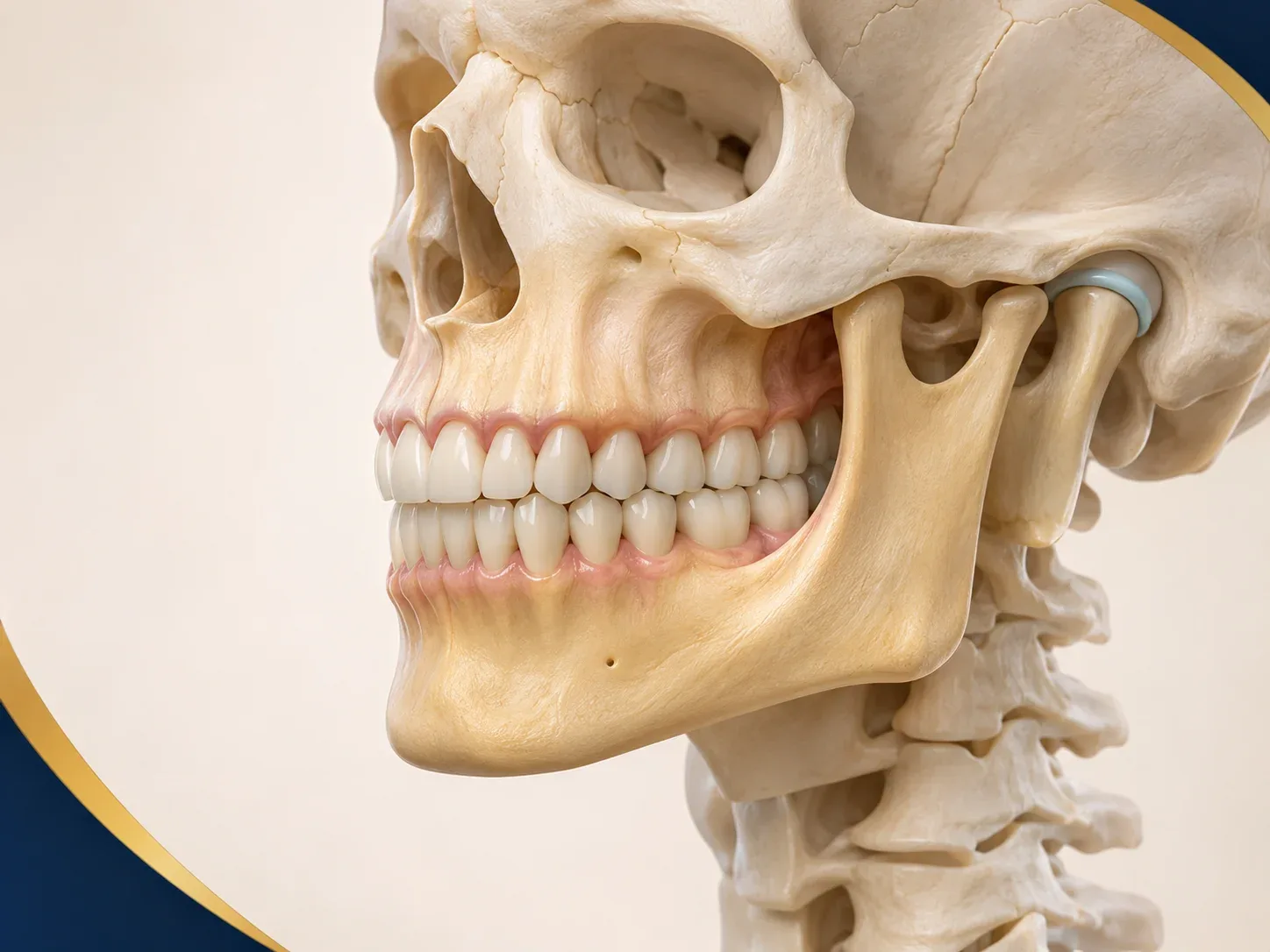
Signs Your Child May Need Growth Guidance
Growth issues are often not immediately apparent; however, there are some common symptoms which may indicate an assessment of your bite is required:
-
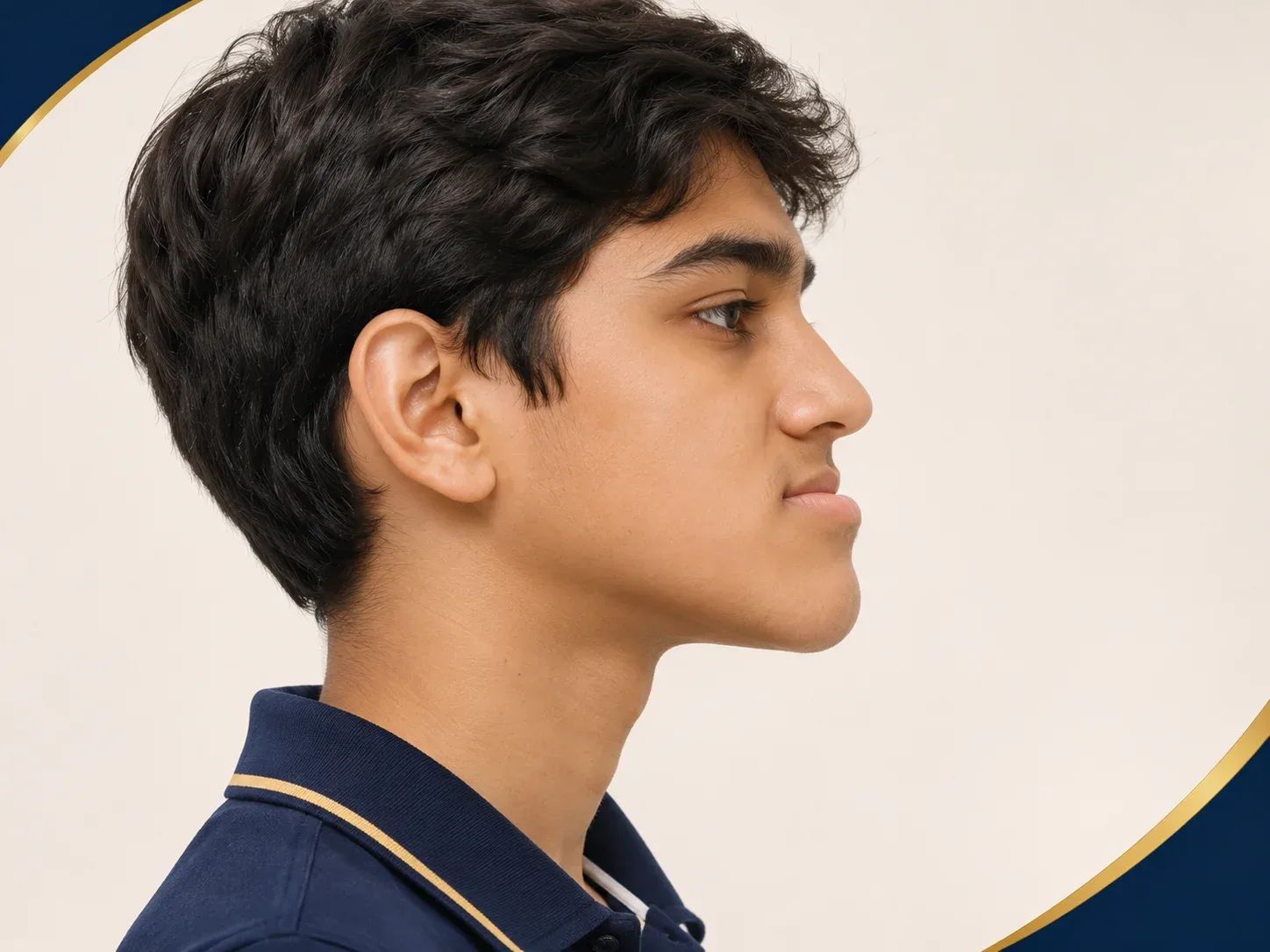
Underbite:
Front lower incisors are sticking out
-
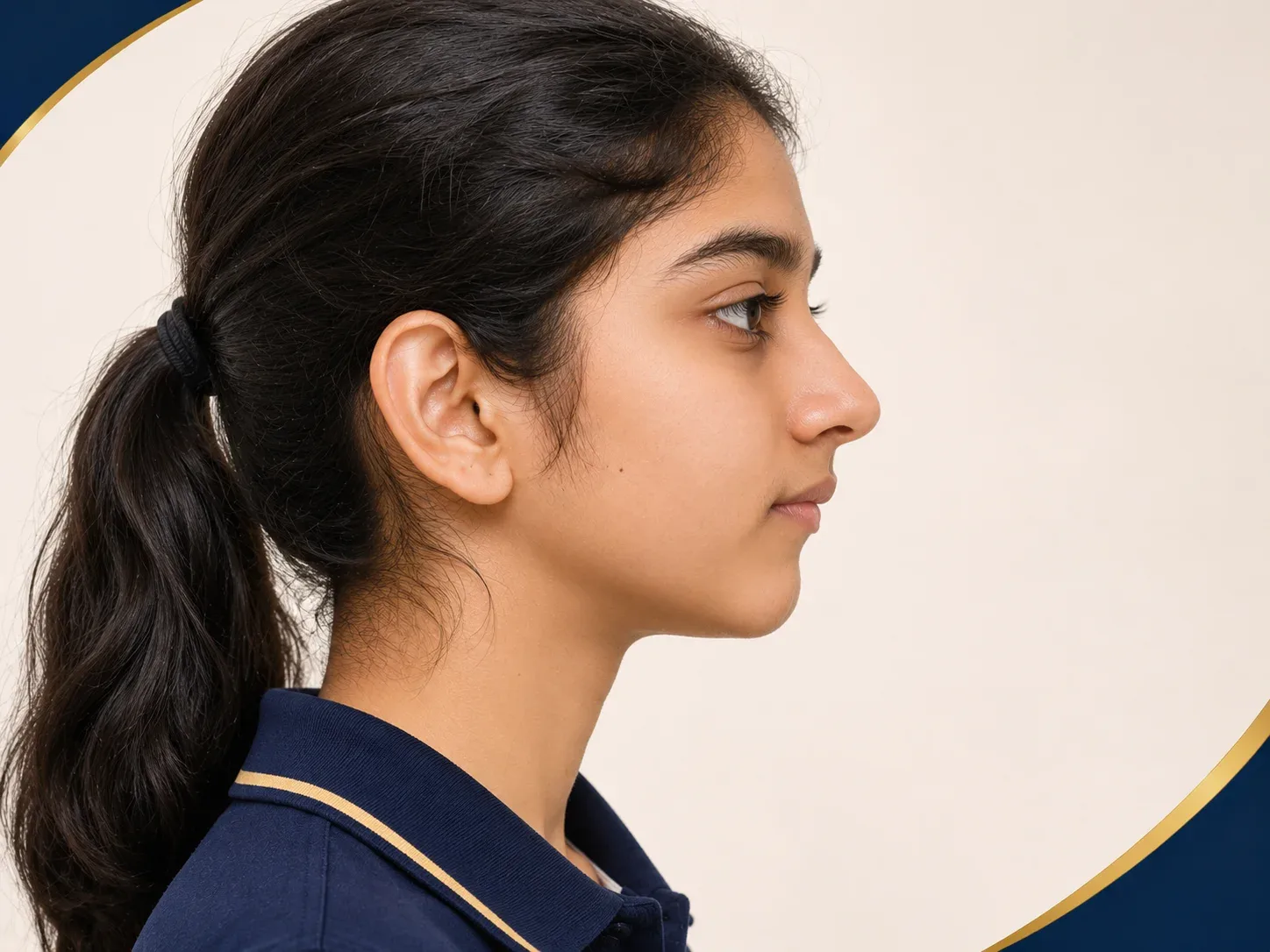
Overbite:
Front upper incisors are very overlapping
-
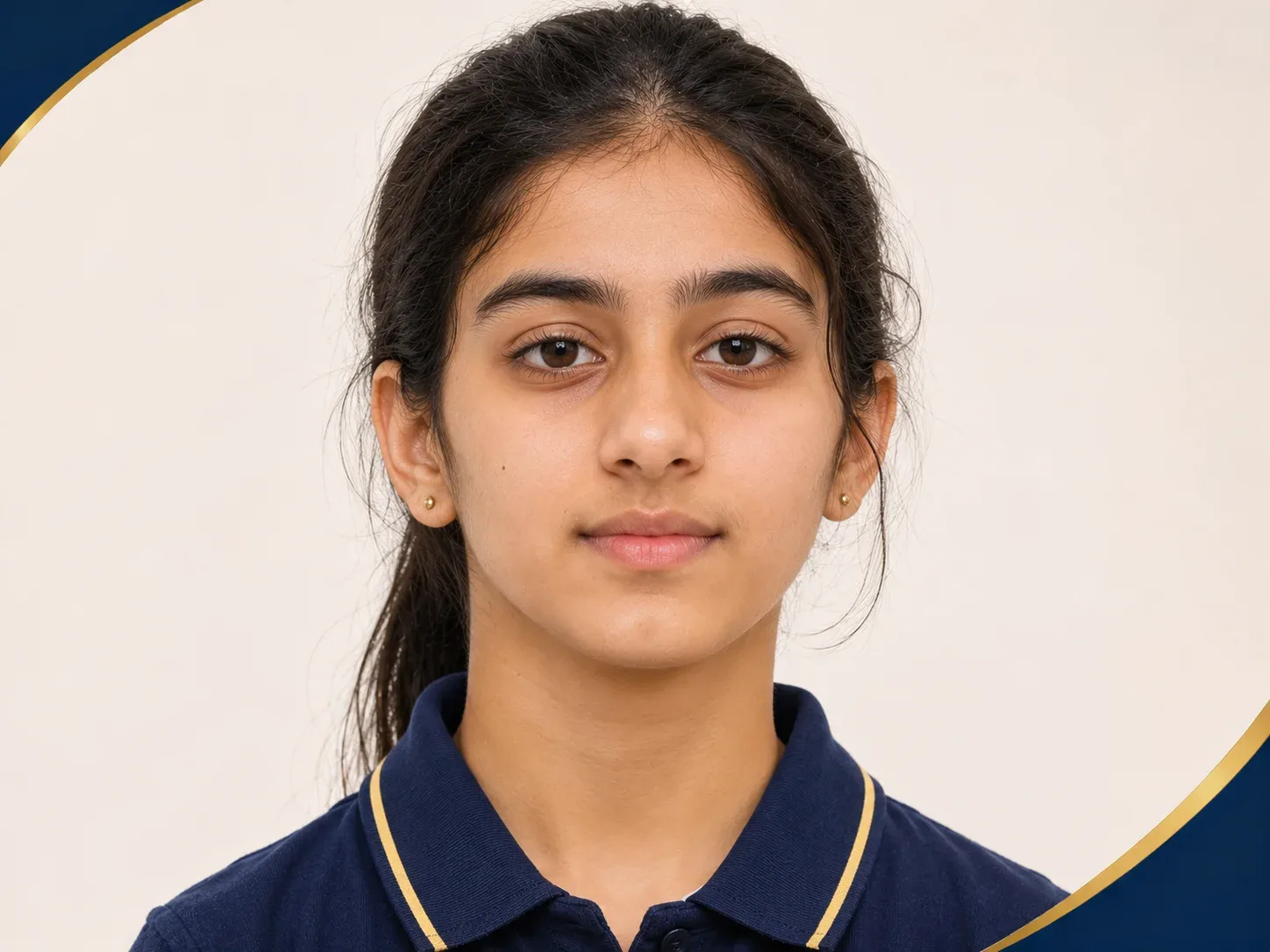
Facial asymmetry:
Unbalanced face and/or bone development
-
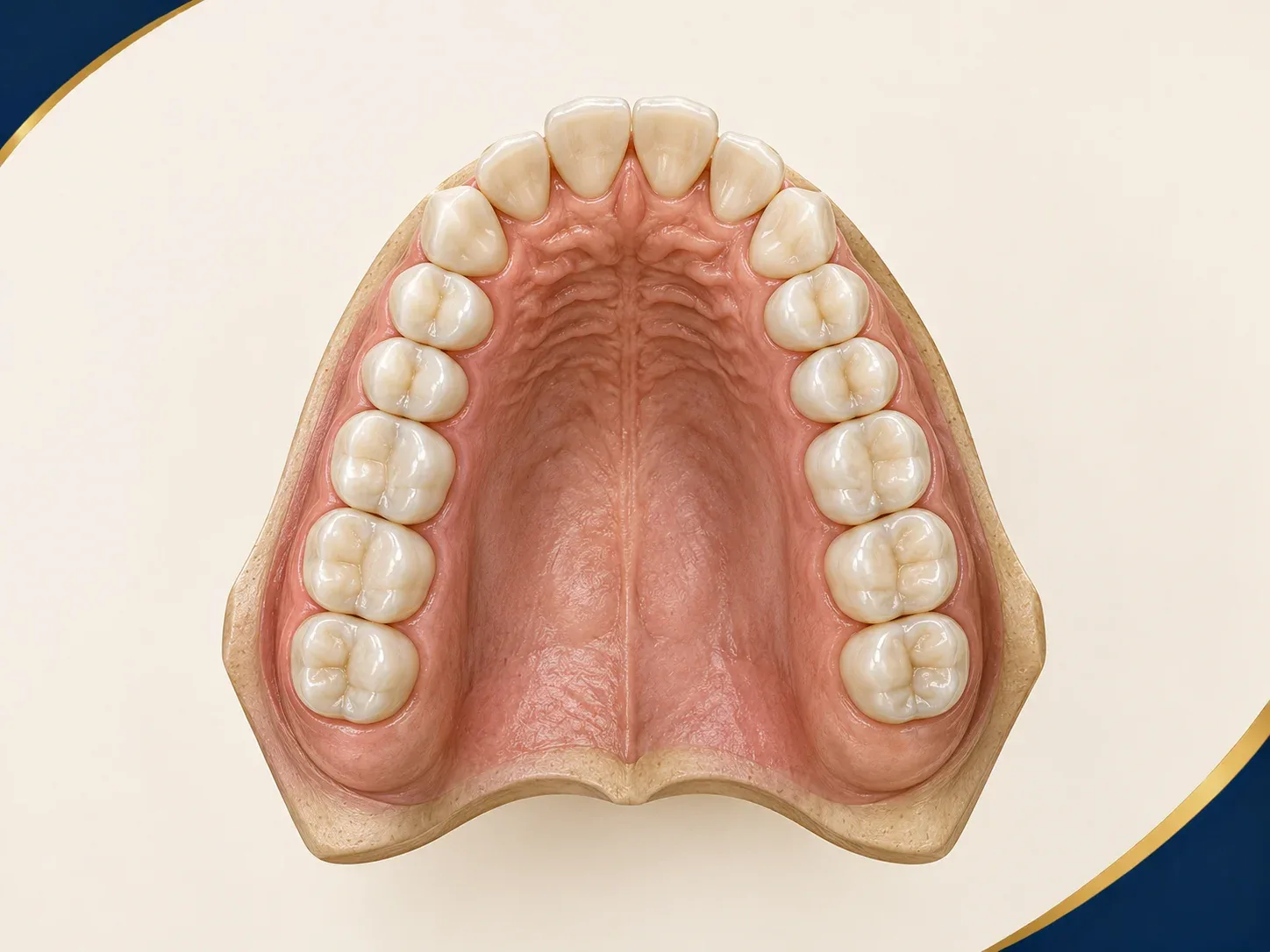
Narrow maxilla:
Can cause crossbite and crowding due to a narrow arch
-
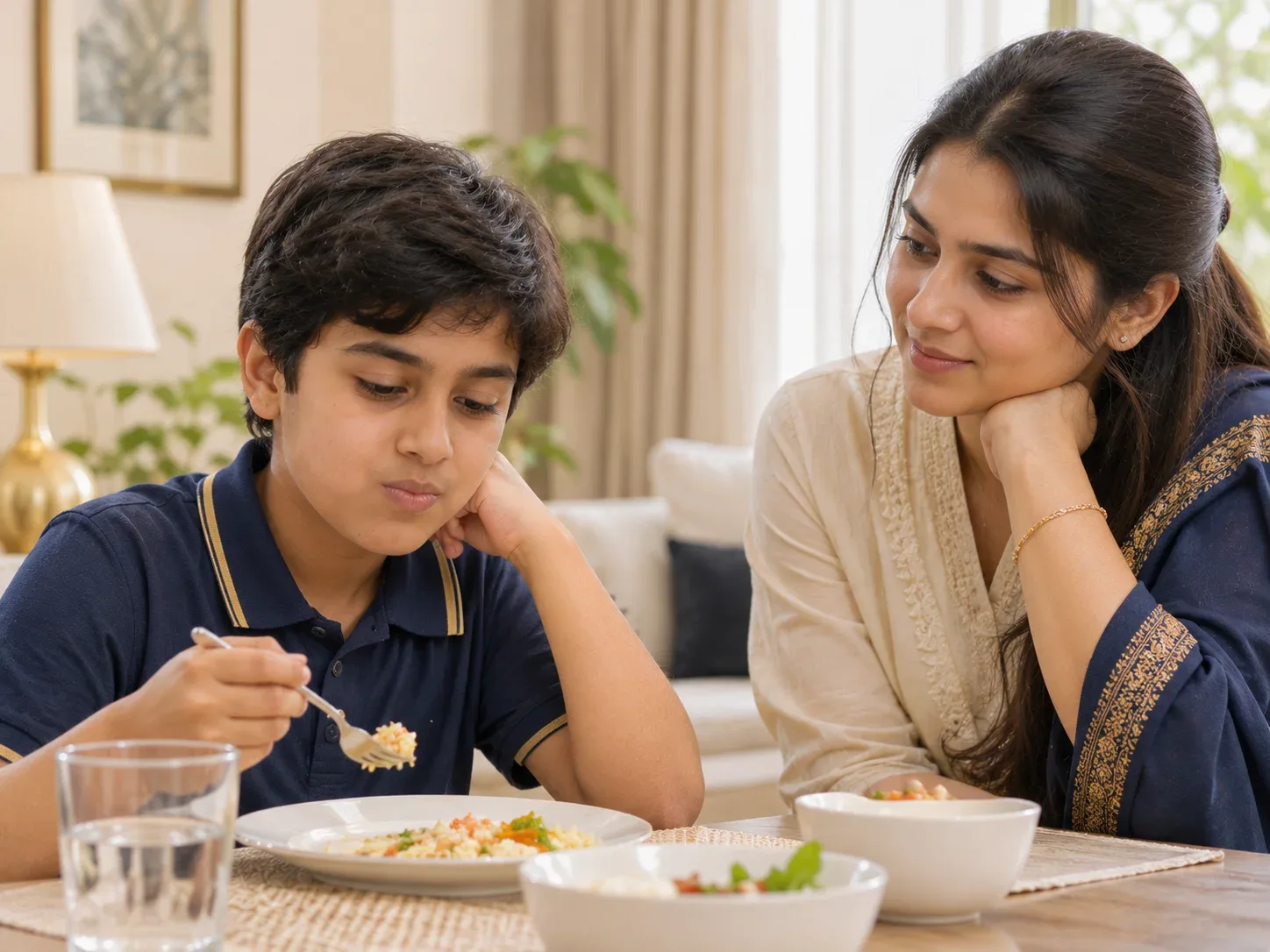
Difficulties eating:
Malocclusion can cause problems with eating
-
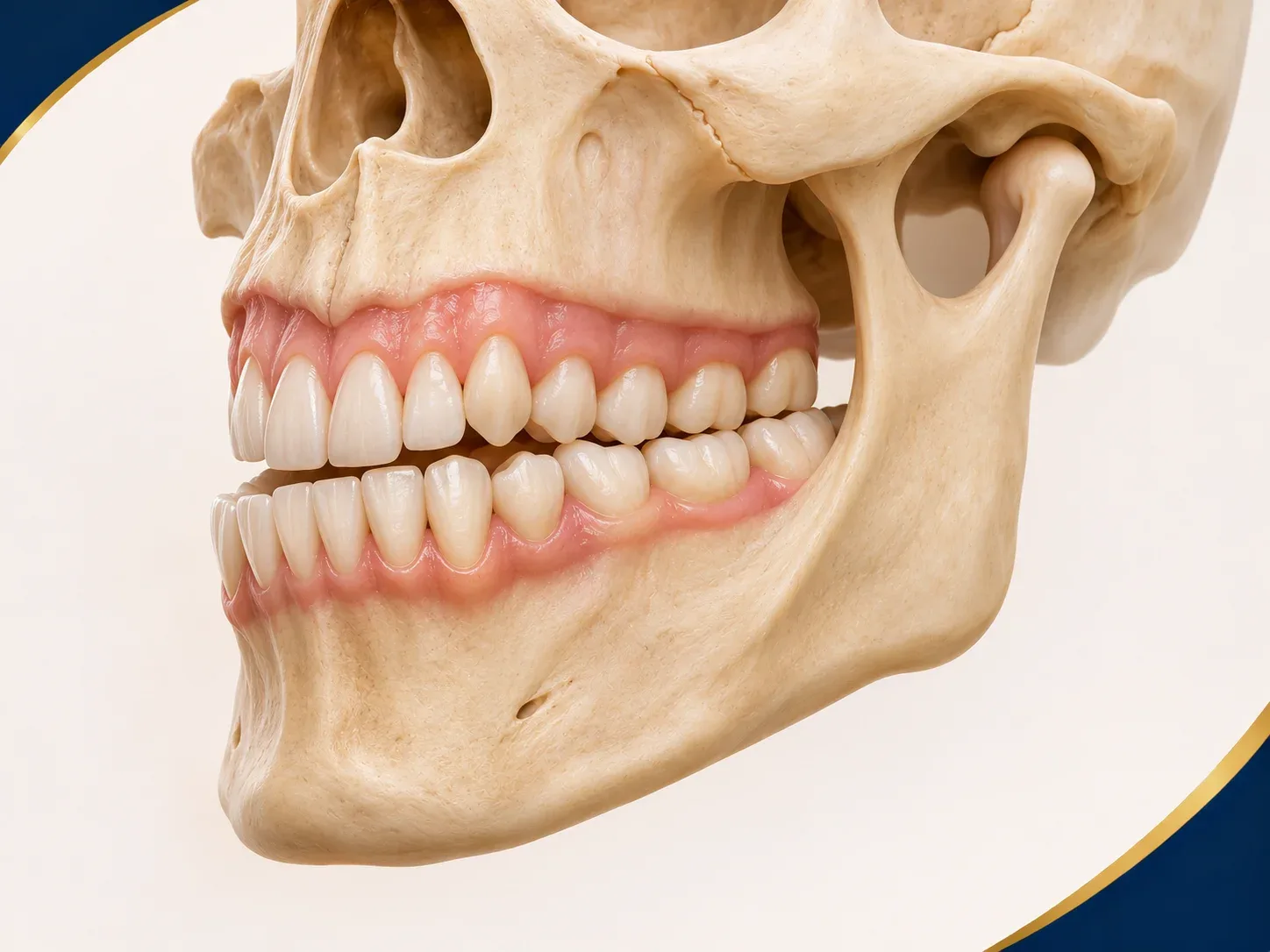
Misaligned bones:
Front upper and lower arch may be misaligned
-
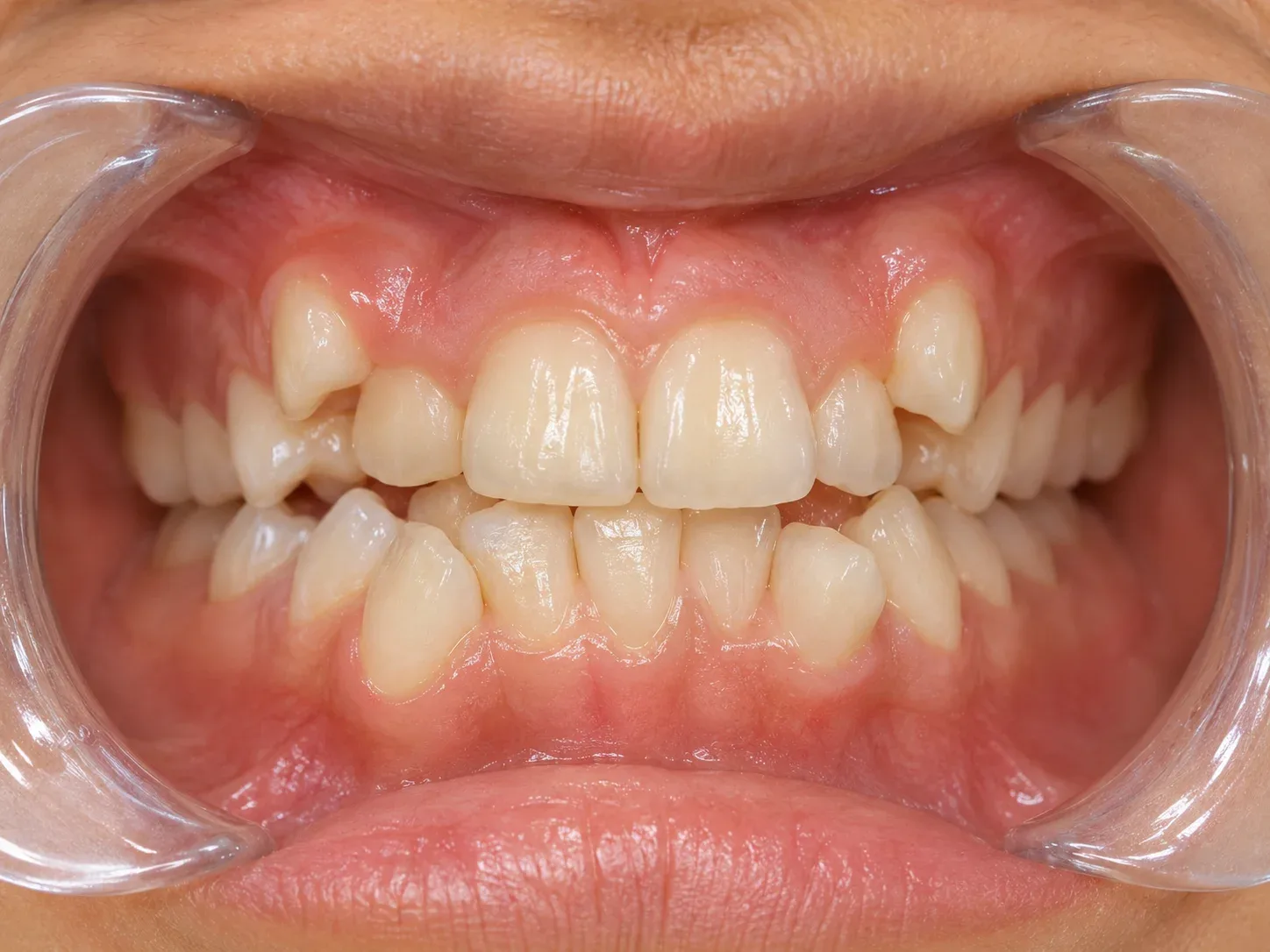
Early crowding:
Not enough room in the arch can indicate some issues with growth.
Not all cases of malocclusion will require any treatment, and a professional will determine the need for any care.
Types of Jaw Orthopaedic Treatment
All plans are designed to fit your patients’ unique skeletal structure, growth patterns and dental situation.
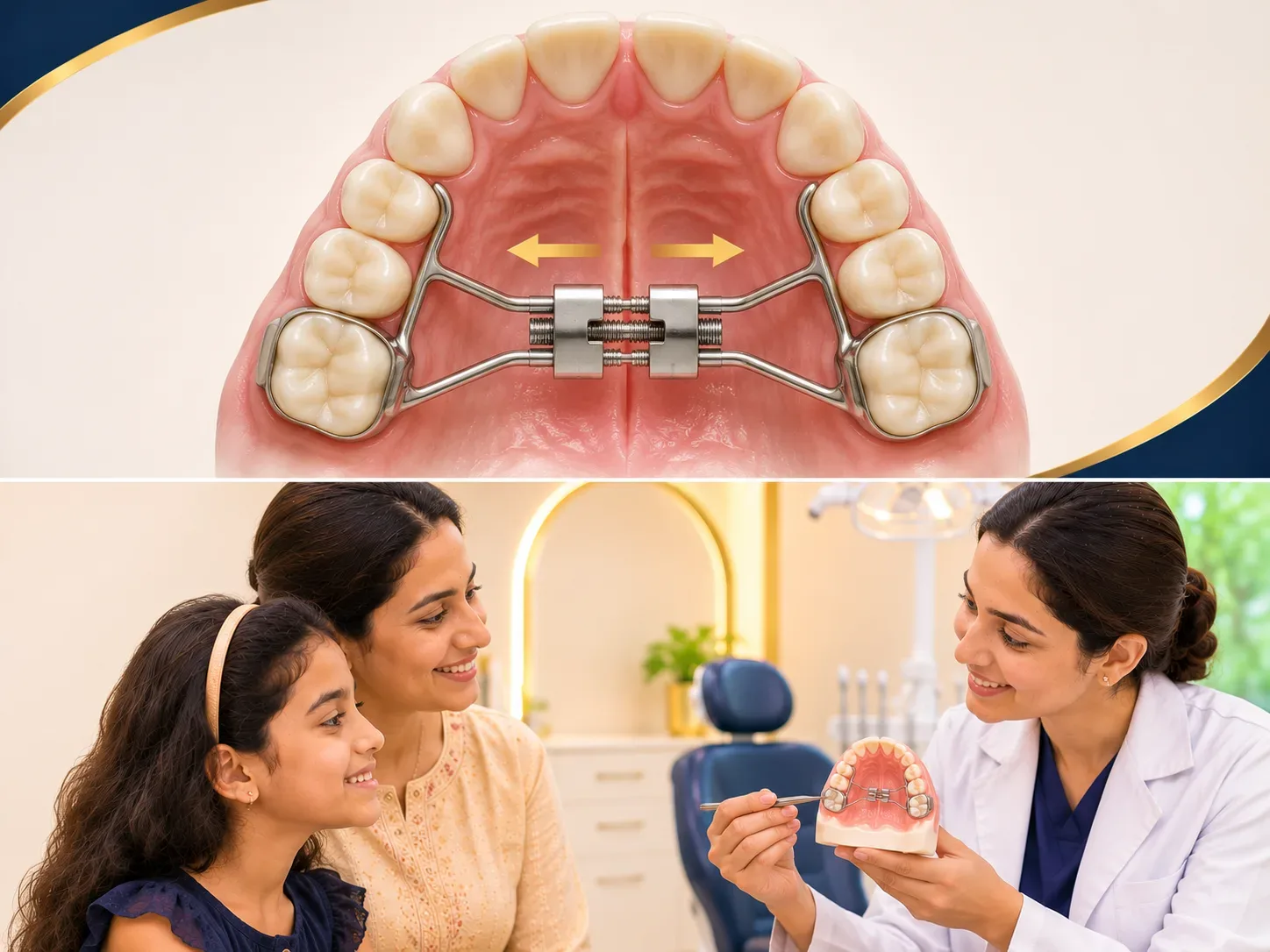
1. Maxillary Expansion
Special appliances can be used to widen a narrow maxilla. This will give a good increase in arch width and will correct some crossbites.
Potential benefits:
- Increases upper arch width
- Helps to correct some posterior crossbites
- Can create more space in the upper arch
- Promotes better upper/lower arch relationship
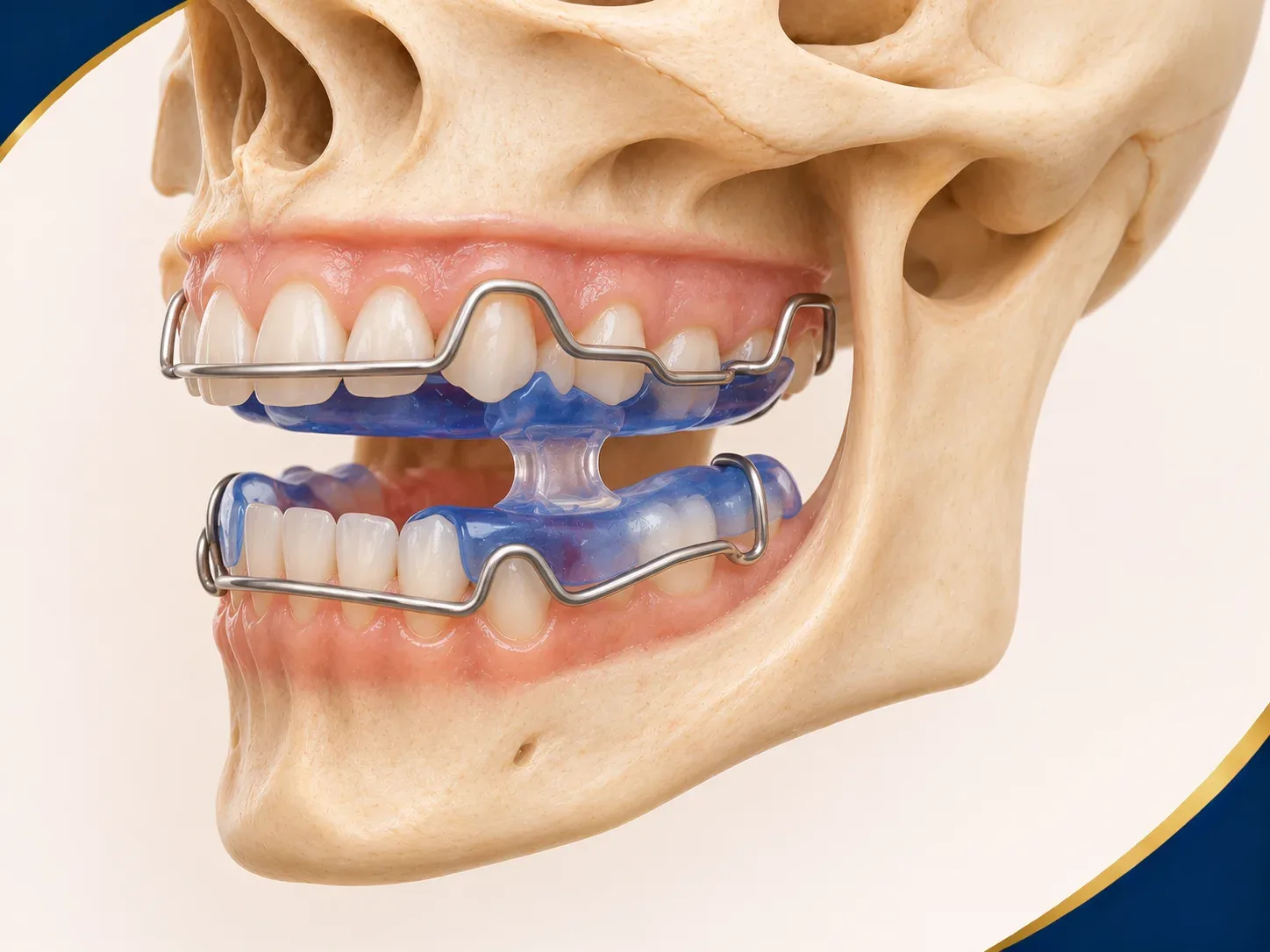
2. Functional Appliances
Functional appliances can influence the position of bones during growth. They may be recommended by dentists for some patients who have skeletal disharmony, particularly those with certain class II malocclusions.
Potential benefits:
- Improves the relationship between upper and lower bones
- Helps in some retrognathic cases
- Helps to achieve a better occlusion
- Helps to be part of the overall alignment plan
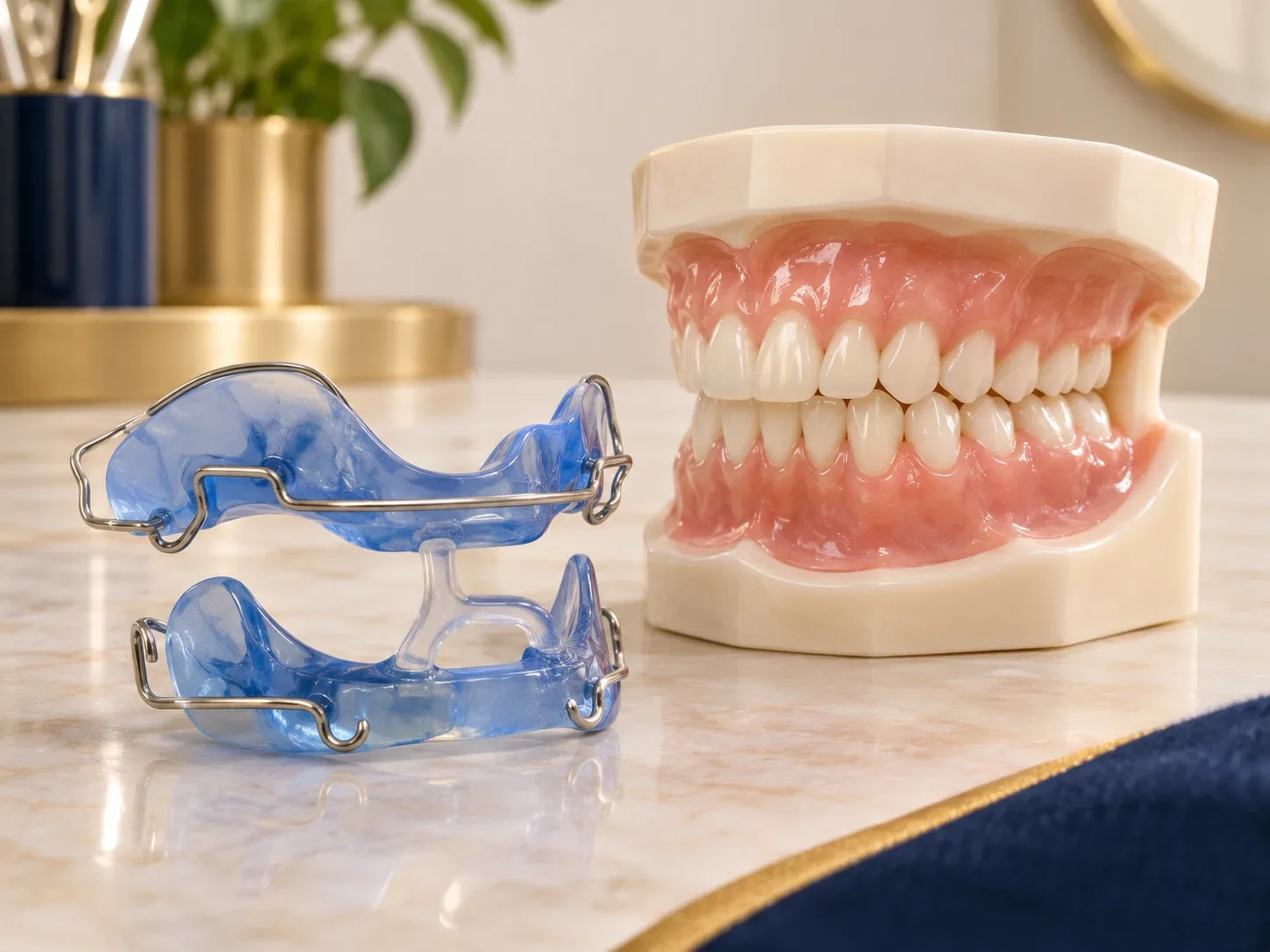
3. Growth Modification
Growth modifying appliances can be used to control development. Certain appliances will be used depending on the problem.
Potential benefits:
- Corrects some skeletal irregularities.
- Improves bone relationship.
- Reduces the severity of emerging malocclusions.
- Helps with future alignment planning.
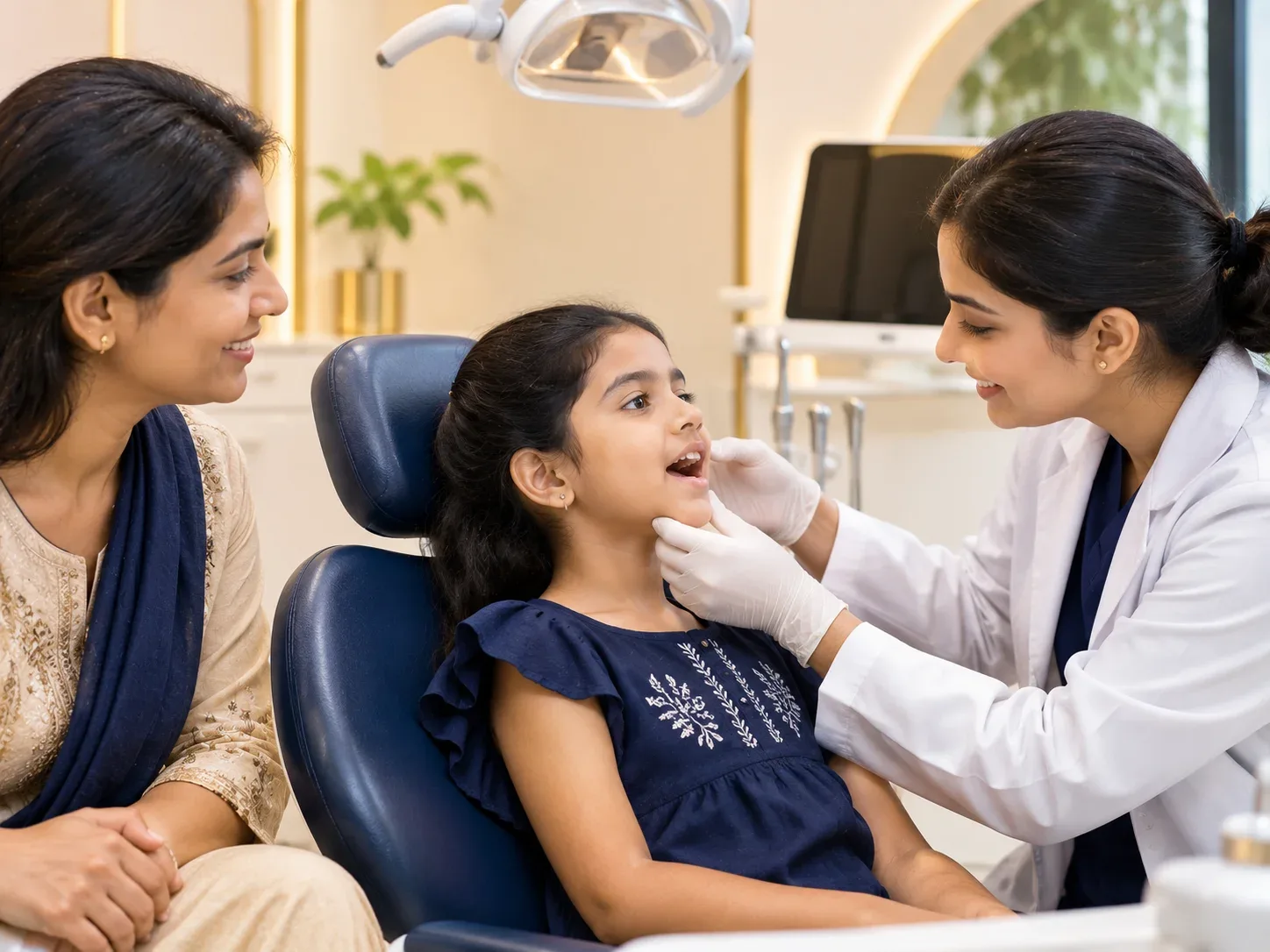
4. Early Orthodontic Intervention
The problems can be picked up early on before all the permanent teeth erupt. Patients can be identified if they need to be monitored, prevention measures taken and/or interceptive corrections made.
Potential benefits:
- Early detection of growth problems
- Facial and dental development can be monitored
- Therapy of specific developing malocclusions
- Better long-term planning
Benefits of Jaw Orthopaedics
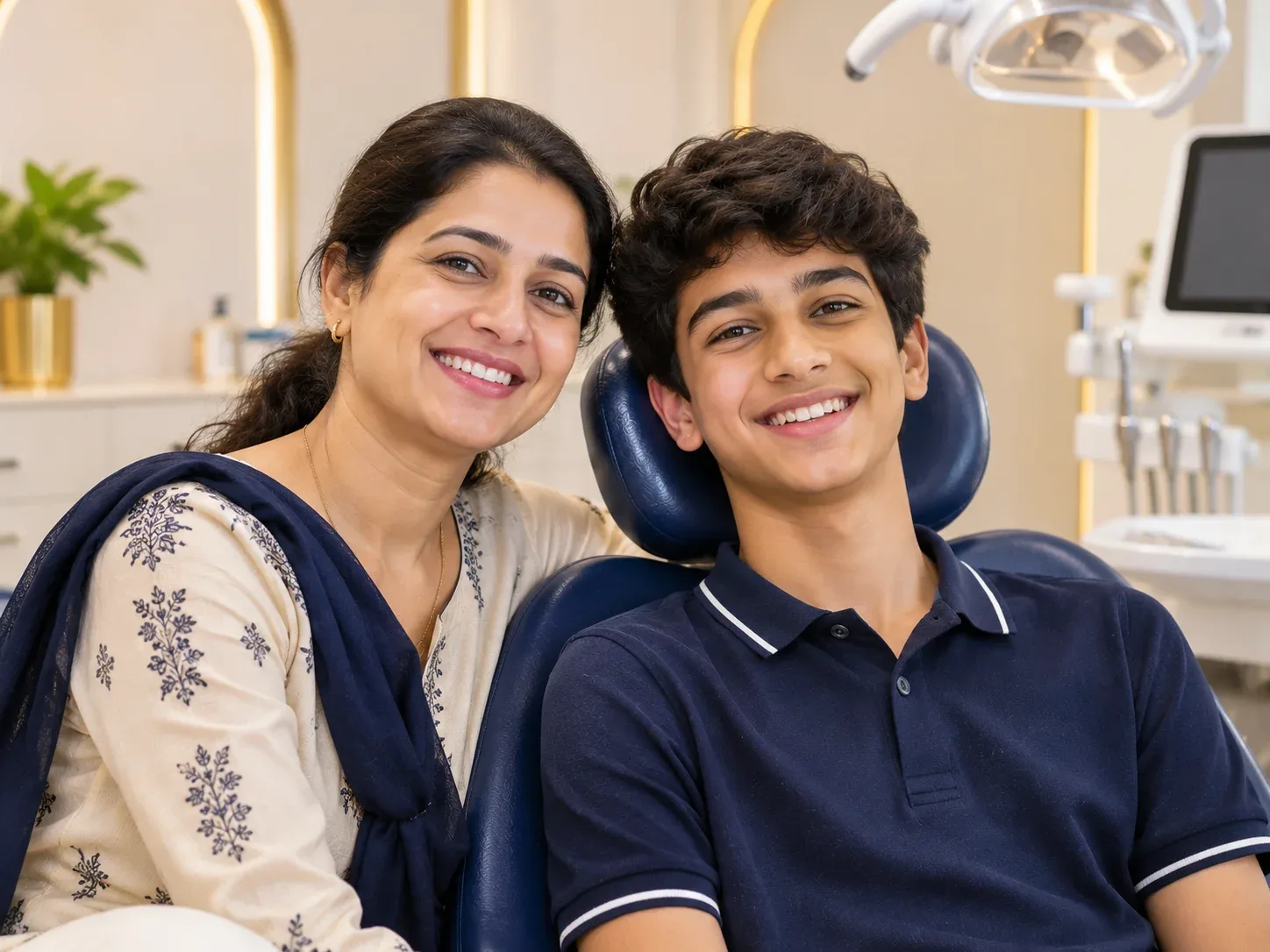
When clinically indicated, this care offers several functional and developmental benefits.
-
Corrects specific malocclusions – Improves occlusion
-
Helps with creating a more harmonious relationship between arches – Helps create a more balanced bite
-
Helps with guiding growth at appropriate times – Can help guide growth
-
Improves facial profile – Can improve certain profile issues caused by skeletal discrepancies
-
Corrects certain issues with width and alignment – Helps correct specific arch issues
-
Early diagnosis – Allows us to identify any issues early.
The outcome depends on factors including age, growth potential, status of bone and patient cooperation.
Why Does Early Evaluation Matter?
These are very important times throughout a child’s life. The bones are still growing, which means that with the correct appliances, some skeletal irregularities can be corrected.
The American Association of Orthodontists recommend that children have their first orthodontic checkup at 7 years old. This does not necessarily mean they will require treatment immediately. Often it is better to monitor their growth.
Early evaluation can identify:
- Underbite and overbite formation.
- Narrow upper dental arch formation.
- Crossbite and width discrepancies.
- Atypical growth patterns.
- Interceptive benefits.
Our Step-by-Step Care Process
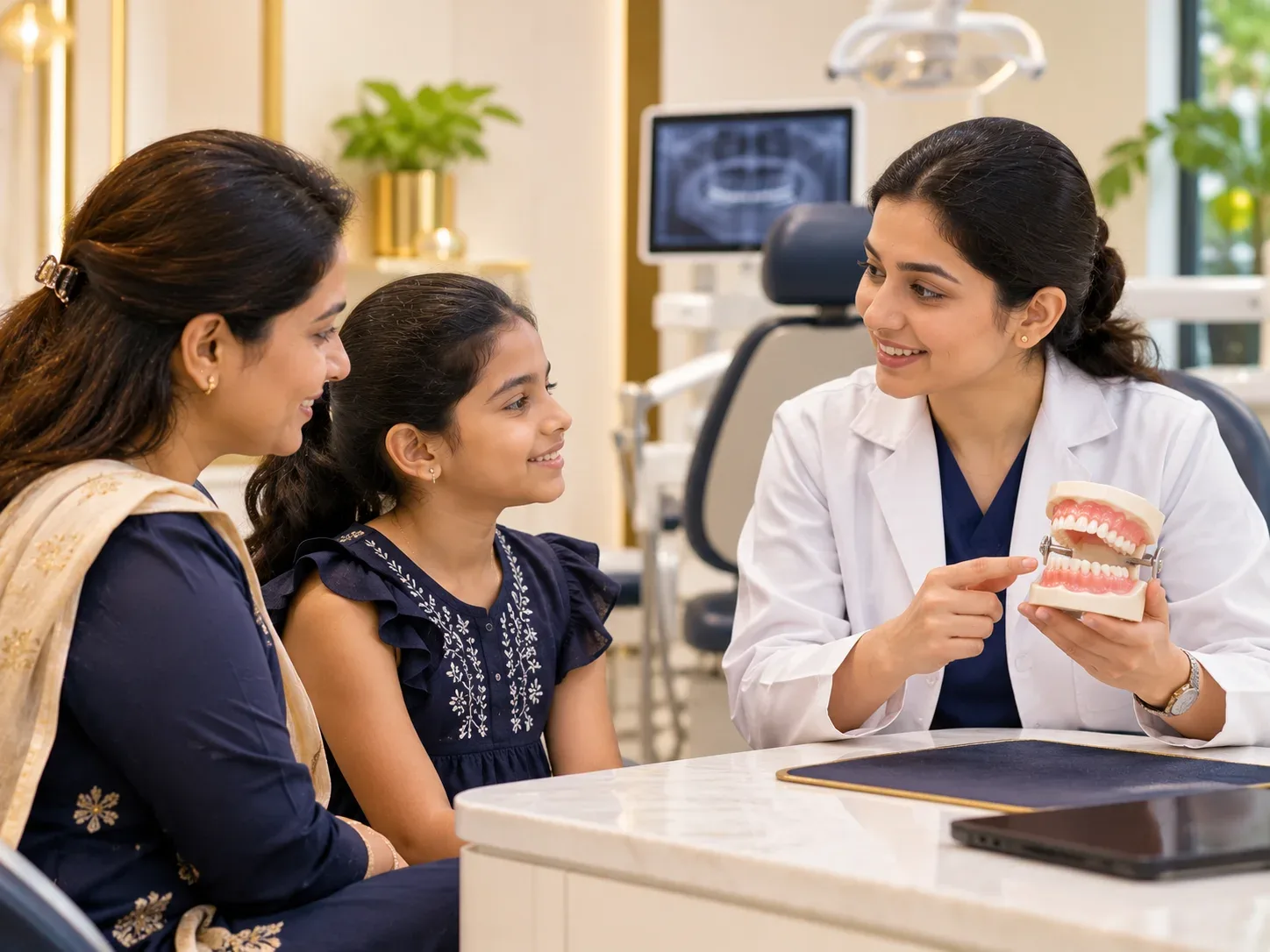
We believe at Say Teeth Dental Studio that getting to know you as a patient is key to providing successful care methods.
-
Step 1: Initial Consultation
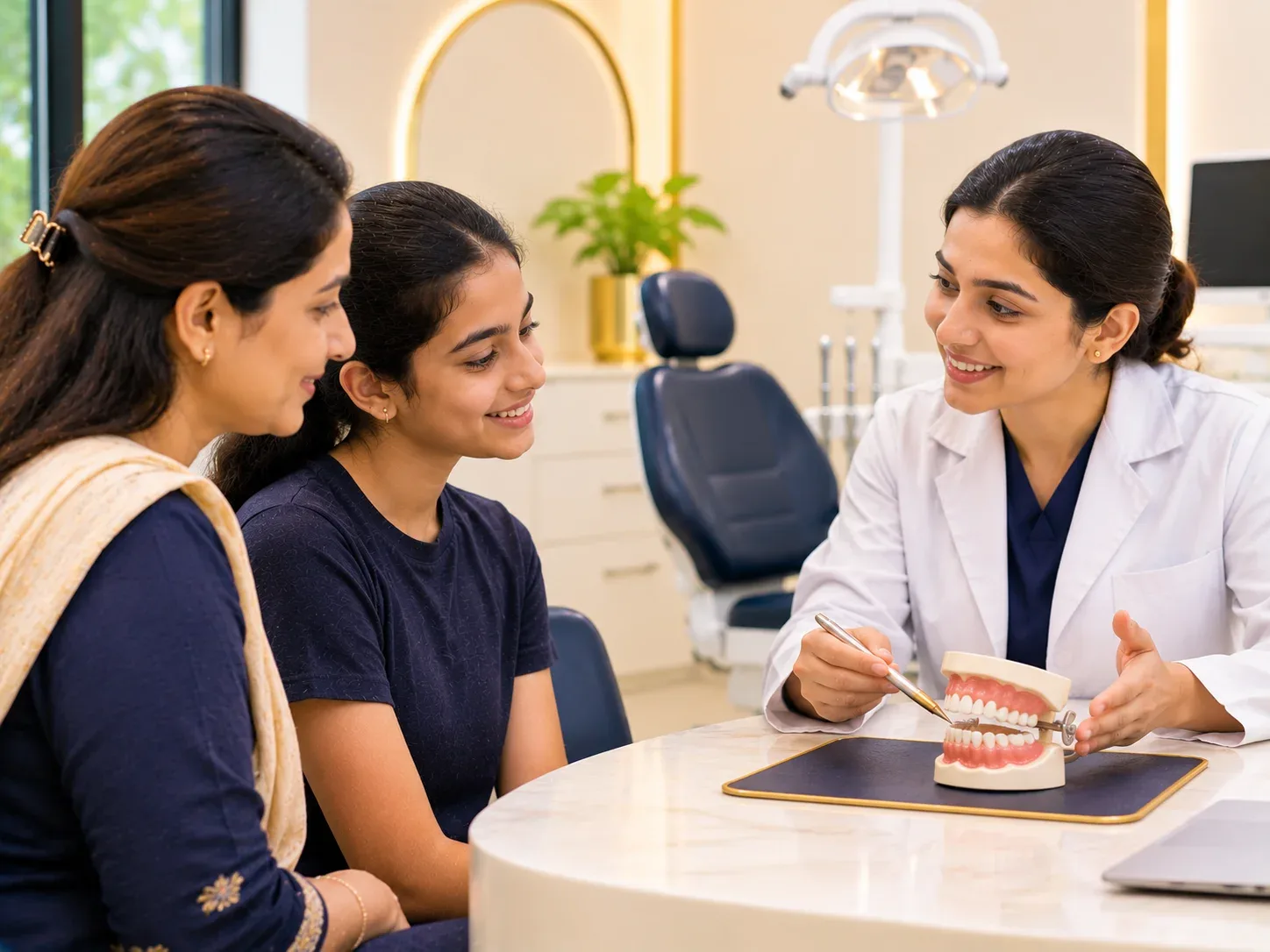
We will discuss any of your concerns, medical/dental history and any obvious occlusion and alignment problems.
-
Step 2: Overall Oral Assessment
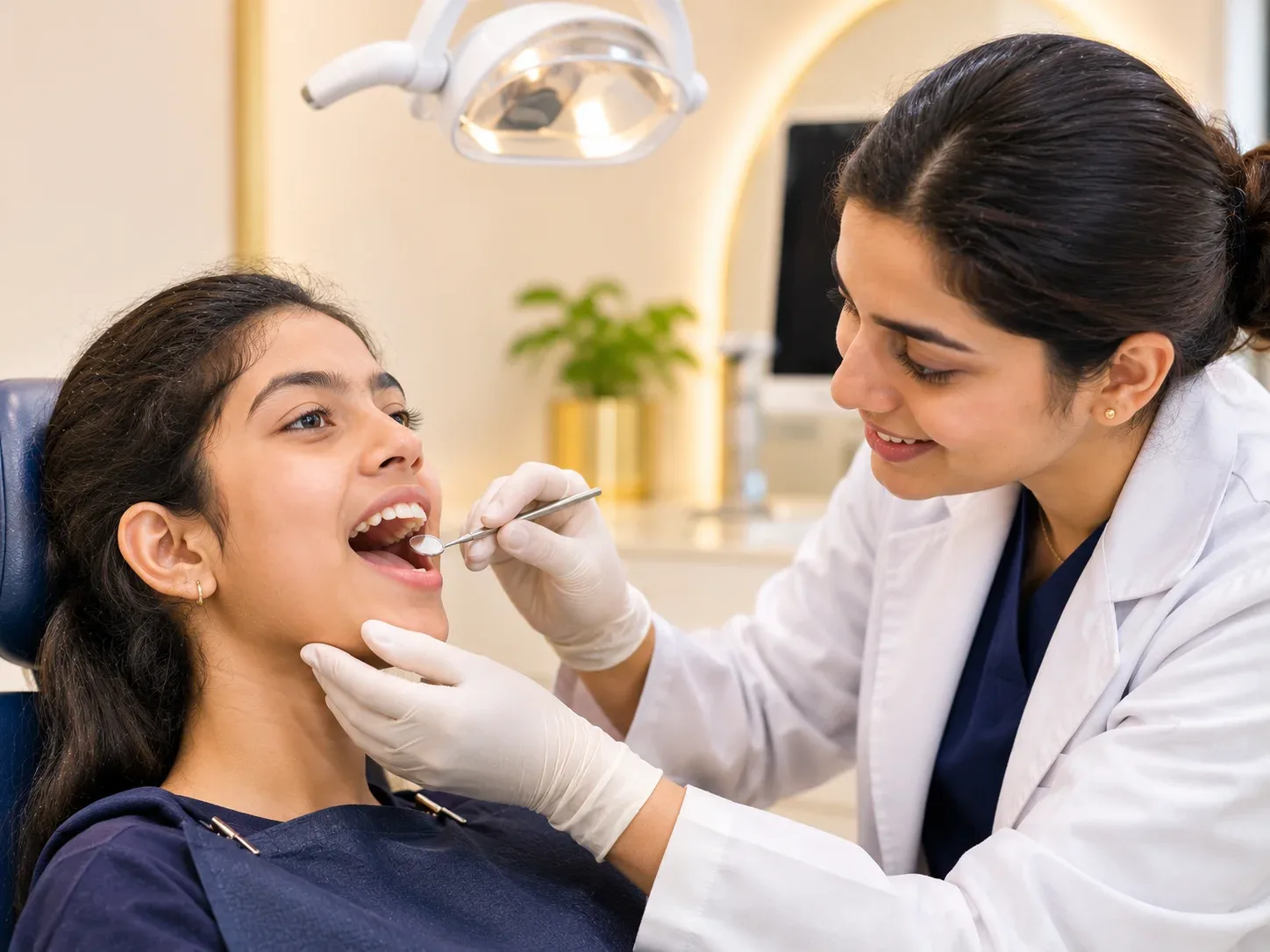
We will evaluate your bite, skeletal relationship and facial presentation. Further records may be suggested.
-
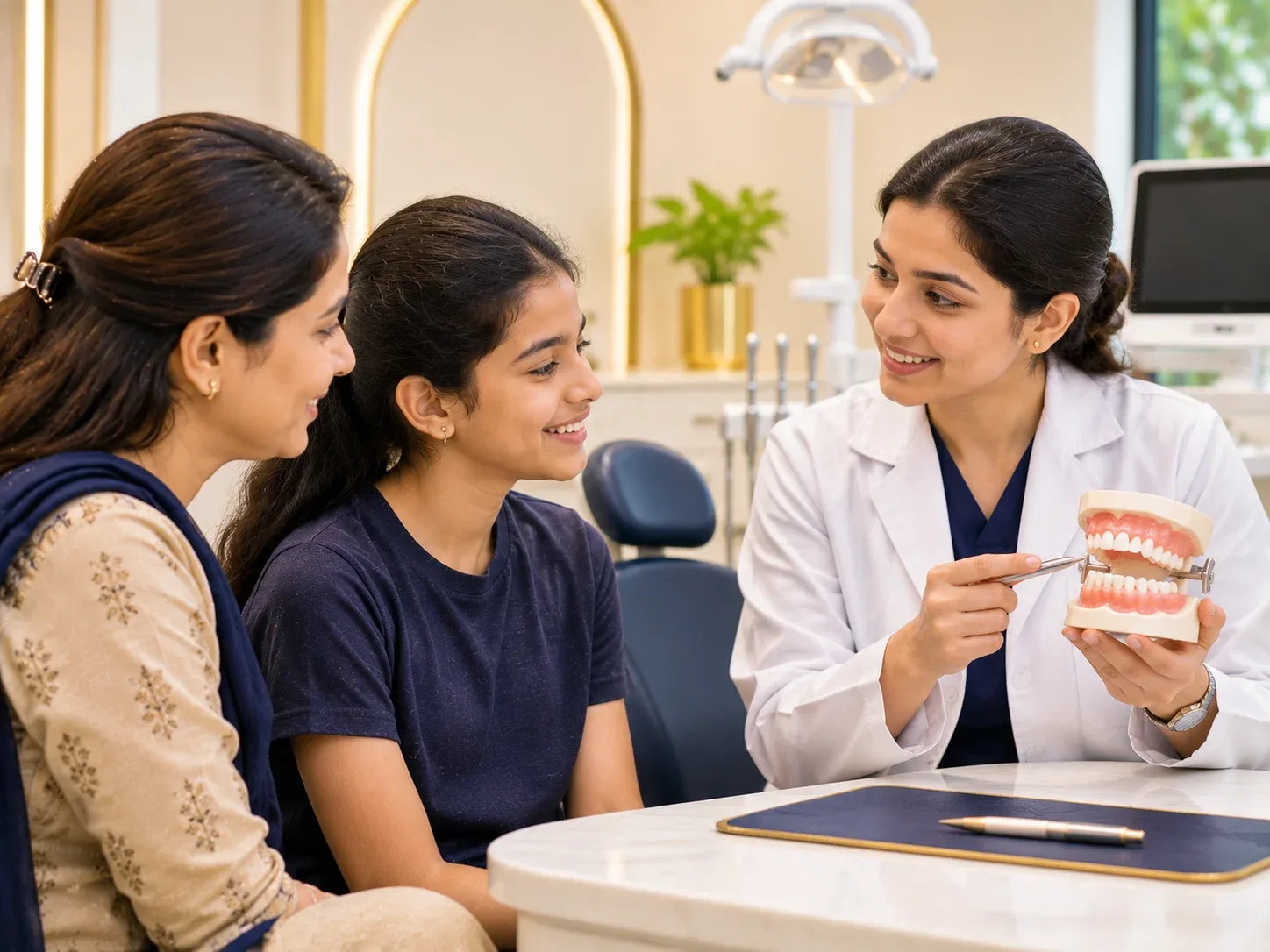
Step 3: Personalised Treatment Planning
The correct treatment option will be discussed. This can include monitoring, functional appliances, expanders and other tooth-straightening options.
-
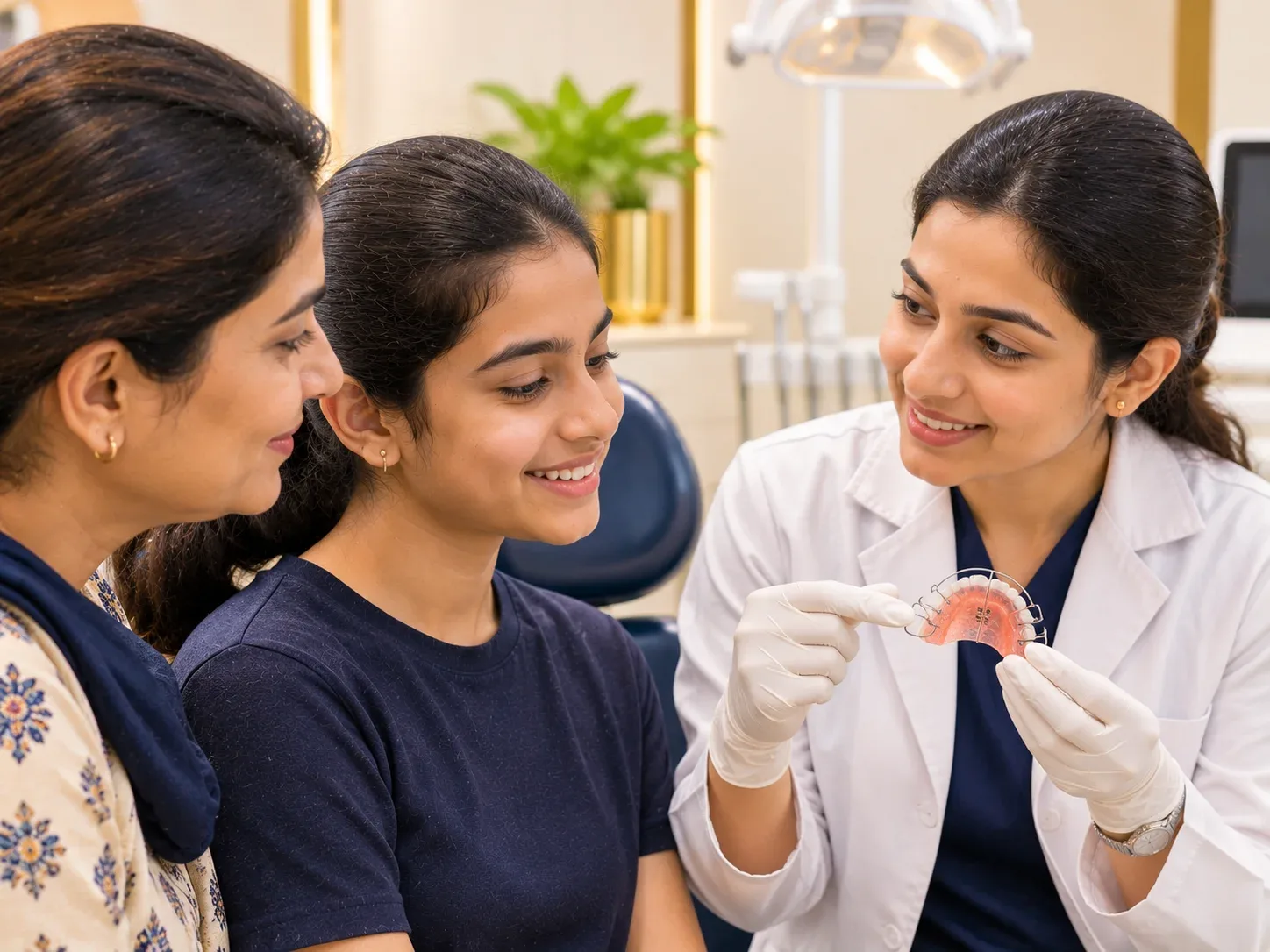
Step 4: Appliance Placement and Guidance
We will advise you on the therapy required and demonstrate how to use and care for your appliance.
-
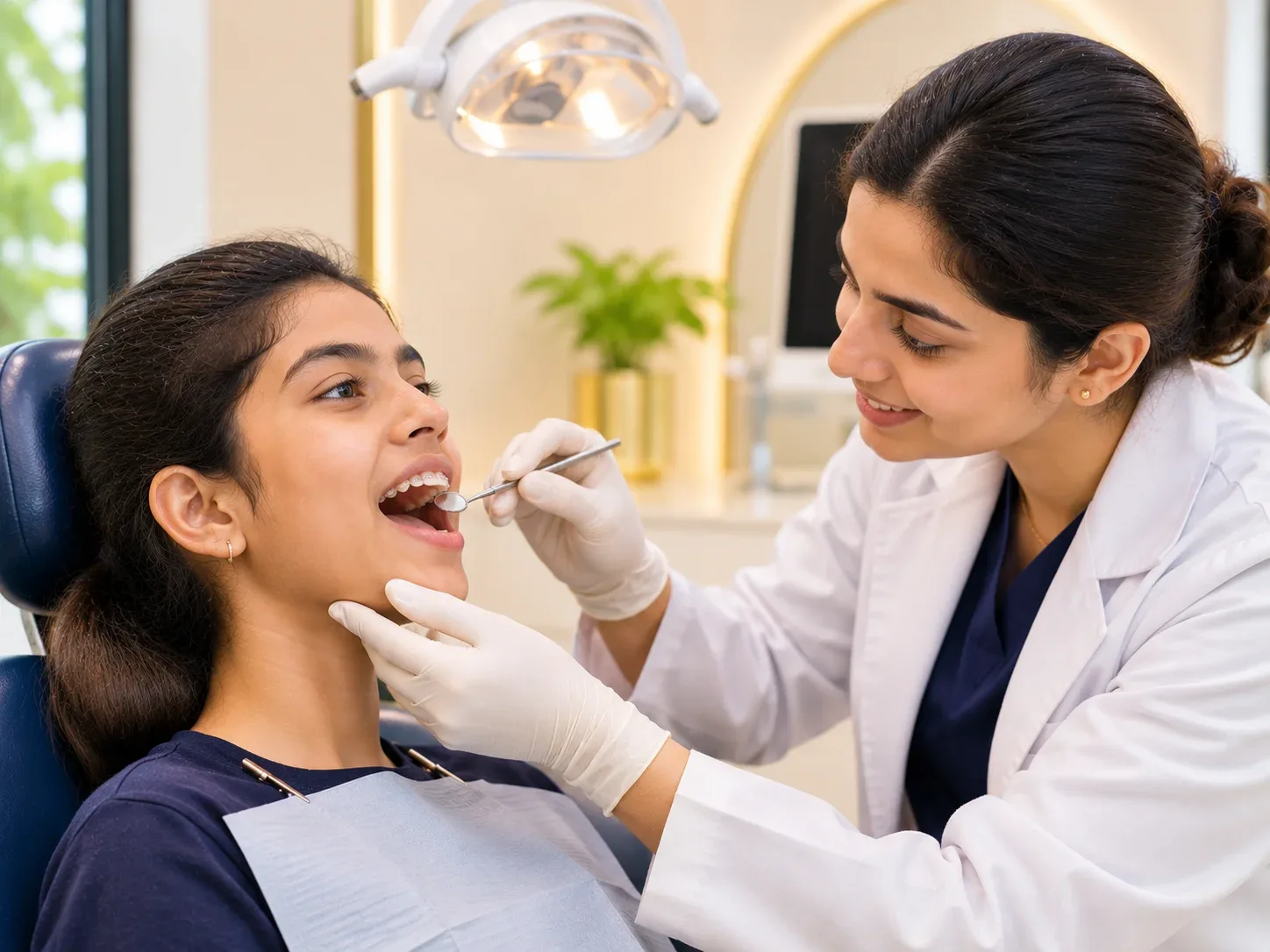
Step 5: Regular Follow-Up
Regular check-ups will be carried out to ensure you are progressing well and your appliance is working correctly. If necessary, we can adjust your plan of therapy.
-
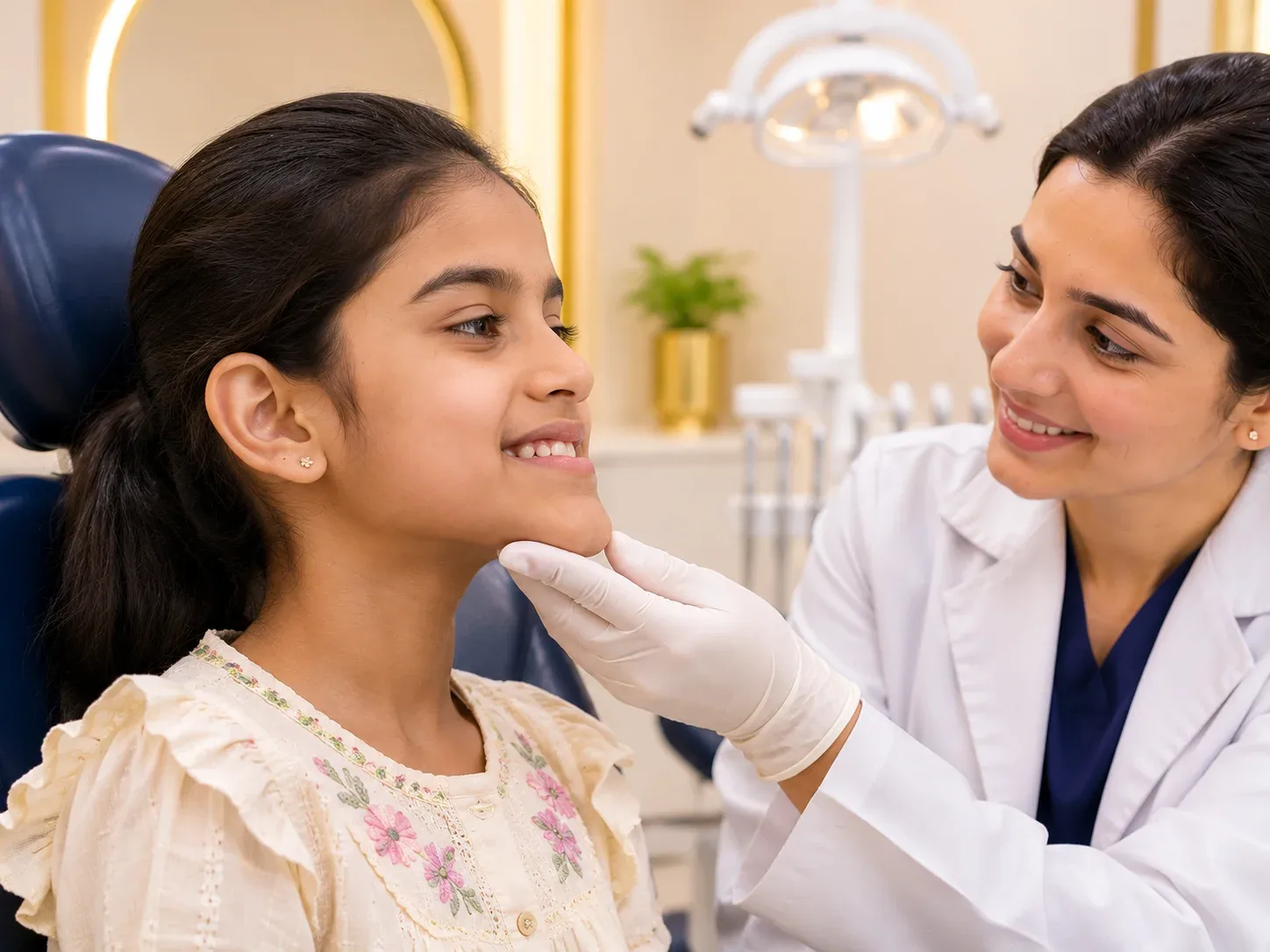
Step 6: Further Orthodontic Planning
Further adjustments may be suggested once your growth has been completed to give perfect alignment and occlusion.
Who Can Benefit from This Approach?
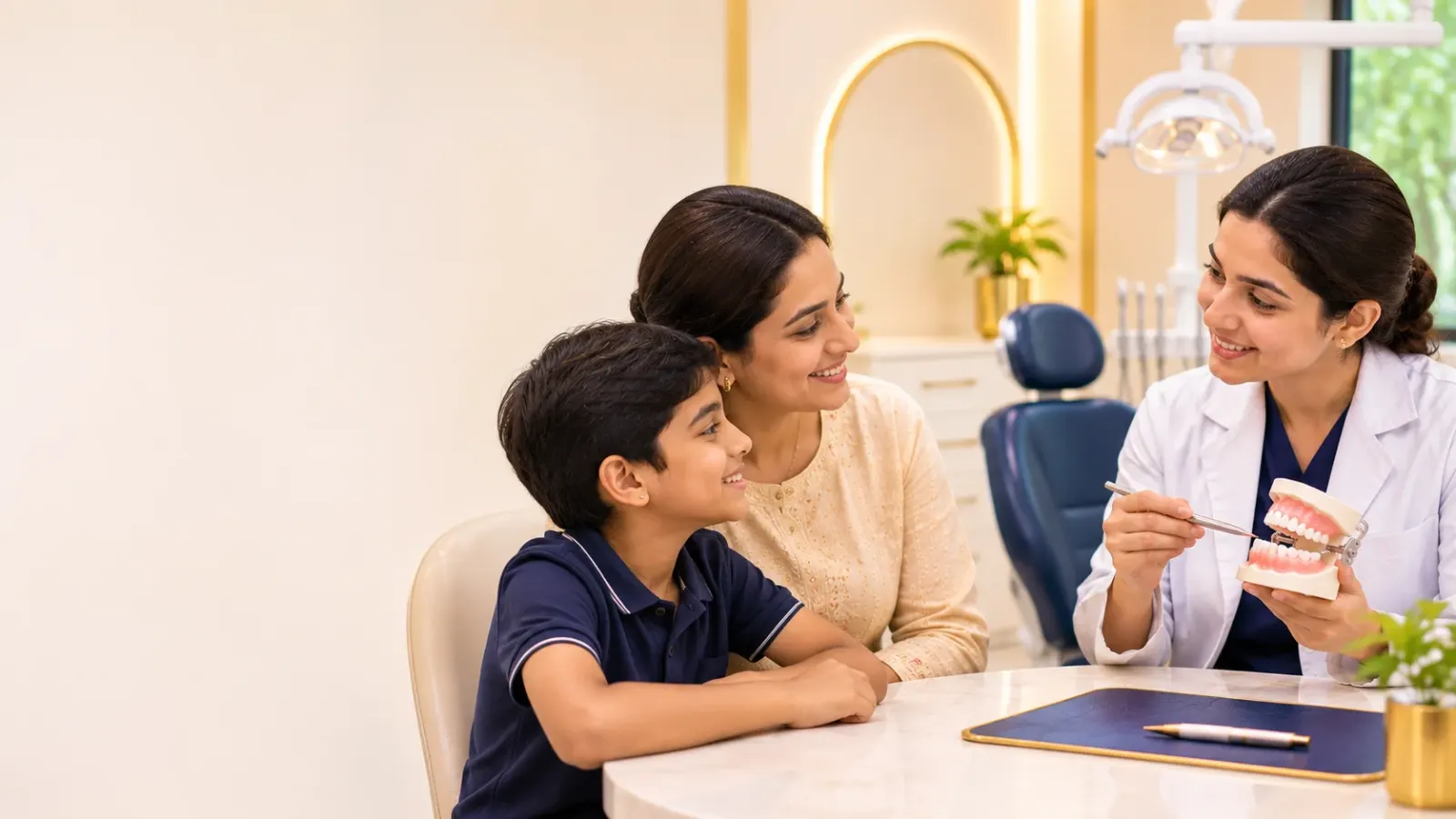
This approach generally works best for patients who still grow. We may consider it for:
-
Children with developing discrepancies
-
Teenagers with skeletal malocclusions
-
Patients with underdeveloped maxilla
-
Children with particular over-under bites
-
Patients with overbites caused by skeletal discrepancies
However, adults with existing disharmonies can be treated using Orthodontics and on some occasions, orthognathic surgery. This will depend on a clinical assessment.
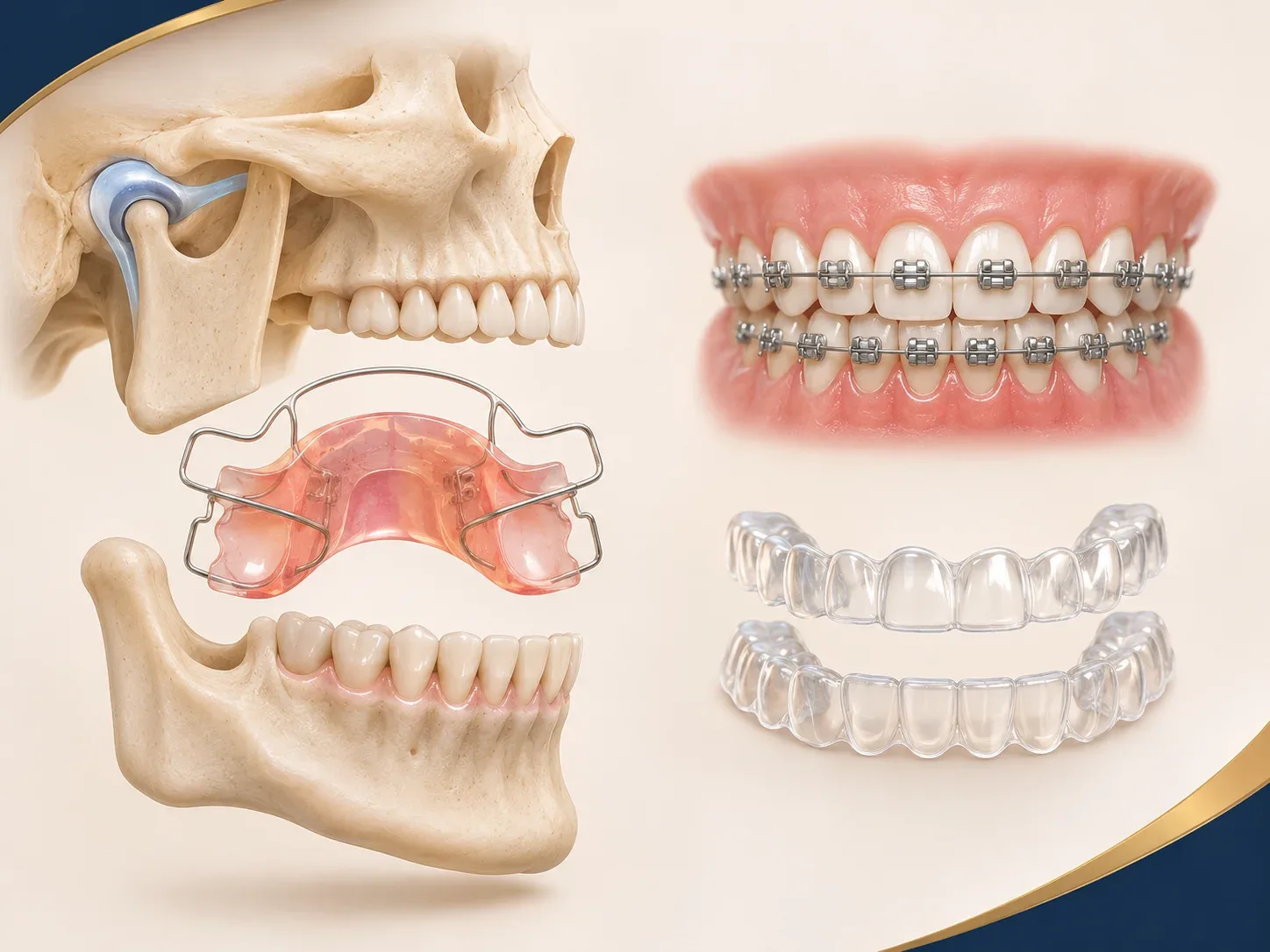
Jaw Orthopaedics vs Traditional Orthodontics
Both methods aim to improve functionality and alignment but have a different focus.
| Feature | Jaw Orthopaedics | Traditional Orthodontics |
|---|---|---|
| Main focus | Jaw growth and skeletal relationships | Tooth alignment |
| Primary objective | Guide or correct selected discrepancies | Correct tooth positioning |
| Common appliances | Functional and expansion appliances | Braces and clear aligners |
| Suitable age | Often growing children and teenagers | Children, teenagers and adults |
| Goal | Improve jaw relationships | Improve dental alignment and bite |
Sometimes these methods are combined into an overall strategy.
Why Choose Say Teeth Dental Studio in Kolkata, West Bengal, India?
Our bespoke service means you will see the correct clinic for the best treatment for your growth and alignment issues.
What to expect:
-
Bite and growth analysis specific to you.
-
Advice tailored to you.
-
Simple to understand.
-
Carefully planned.
-
To ensure your long-term dental and bite health.
You will receive advice on your child's development. Dr Yamini Saraf and her team always make sure you have a relaxing and informative appointment that has been tailored to you.
Frequently Asked Questions
Book an appointment with Dr Yamini Saraf today.
This will improve your child’s smile and bite and help to maintain good dental health. Any issues can be identified and appropriate early interventions provided.
Say Teeth Dental Studio, Kolkata, provides bespoke consultations. We will discuss any concerns that you may have and provide appropriate recommendations. If you are worried about your child’s jaw development, bite or facial symmetry, our team will guide you.