DENTAL IMPLANT TREATMENT IN Salt Lake, Kolkata
Dental Implants in Salt Lake, Kolkata
Missing teeth can change how you look, speak, smile or even eat. Teeth are the starting point and one of the foundations of nutrition intake. Missing teeth can severely affect health in the long term. Implants can fix these issues in total by replacing missing teeth.
We will guide you through every available option at Say Teeth Dental Studio, Salt Lake. We build a plan of treatment only after examining your mouth and the issues associated.
Whether you lost one tooth, several teeth or a whole arch, our team will explain which fits you most. Consult us if you are feeling tired of your loose, removable dentures as well.
Learn your treatment options, estimated costs and expected timeline before you decide.
- Personalised planning
- Assessment-led care
- Clear discussion of options
- Follow-up and maintenance guidance
Quick Answer
What Are Dental Implants?
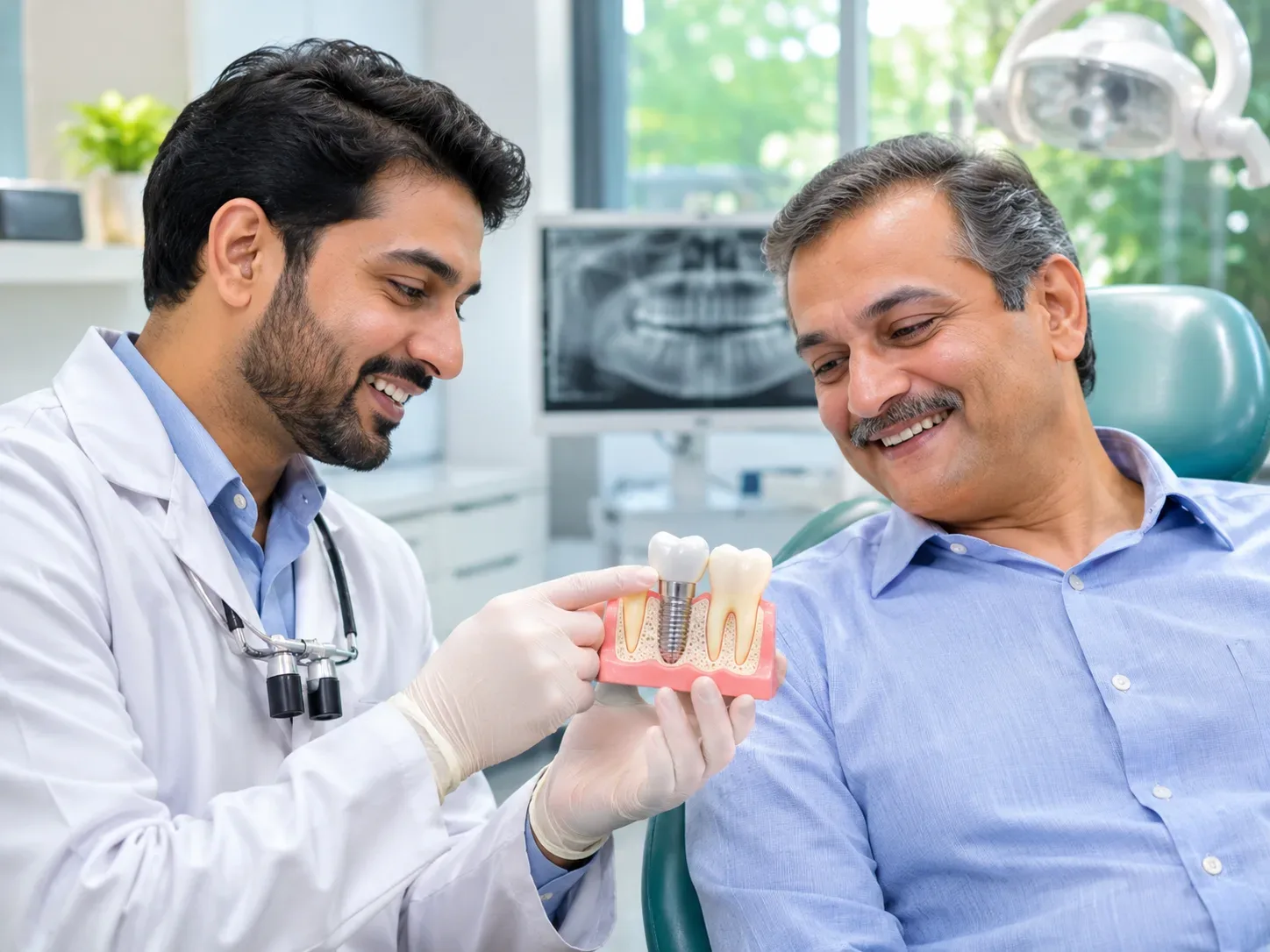
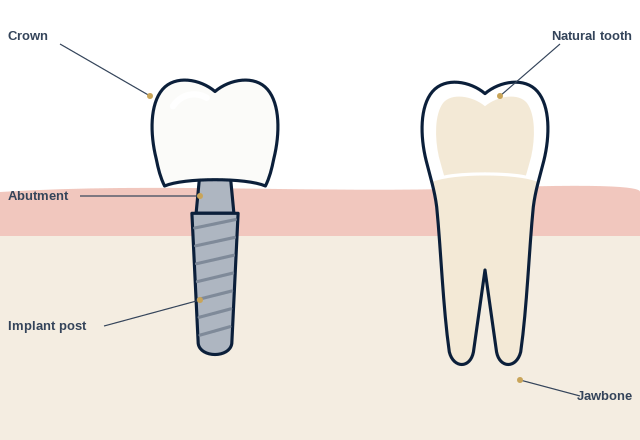
An implant is a small post (usually Titanium) that is placed into your jawbone by your dentist. This works as a replacement root for your tooth. Once the bone has healed and has gripped it, it can be used to support a crown/bridge/denture.
Instead of the denture sitting on your gums, the replacement supported tooth is fixed into your bone. It can replace single or multiple teeth or an entire arch.
There are many factors to take into consideration, such as your gum health, bone quality, medical history, occlusion and your own individual goals. Your dentist will carry out an examination to determine if replacements would be suitable for you.
Why Consider Dental Implants?
Possible Benefits
-
1. Recover chewing
Your tooth will be designed and placed so that you can comfortably chew your food.
-
2. Natural teeth replacement
The crown will be shaped and coloured to match your adjacent teeth.
-
3. Individual tooth replacement
With an individual tooth replacement, you will not need to use adjacent teeth to support the restoration. Whereas with a traditional bridge you would need to use the adjacent teeth to support the bridge.
-
4. Help preserve functionality of your jawbone
The force of chewing will be transmitted through the replacement, which can reduce some of the bone resorption that occurs after losing teeth. However, there is no method that will prevent all bone loss.
-
5. Offers a permanent tooth replacement
Depending on the type of prosthetic used, your crown or bridge will be fixed in place.
-
6. Can be part of a long-term solution
With careful planning, regular check-ups, good home care and professional care, your replacement will last you for many years.
Important information: These prosthetics do have limitations, and there are risks involved. The outcome will vary depending on the individual. We cannot guarantee perfect results, a pain-free process or lifetime guarantees.
Who May Be Suitable for the Treatment?
Who Is a Good Candidate for this Prosthesis?
Patients who have lost teeth and are looking for a permanent solution.
If you have:
- One missing tooth following an extraction.
- Multiple missing teeth and are interested.
- Unstable or uncomfortable dentures and are looking for a more stable option.
- Most or all of your teeth are missing and would like full arch rehabilitation.
- Then you may wish to discuss.
- If you want to compare these replacements to bridges or removable dentures.
What determines your suitability?
During your consultation, your dentist will examine your gum levels, bone levels and quality, bite, oral hygiene, medical history and smoking habits.
Sometimes some preliminary treatment is required, such as gum therapy or bone grafting. Some patients do better wearing a bridge or denture. All recommendations will be explained.
Book an assessment to discuss your options. You cannot be sure if you are suitable by looking at information online.
Types of Implants
Prosthesis for Different Tooth-Loss Needs
The process will depend upon the number of teeth that have been lost, the condition of the jawbone and the type of restoration required.
-
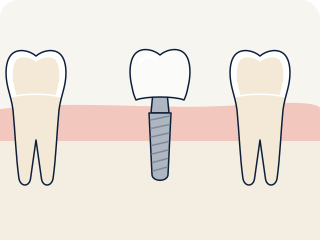
Single Tooth Replacement
An individual crown will be placed on a single tooth. Your dentist will first assess the surrounding teeth and bone.
-
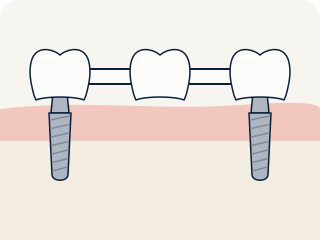
Multiple Replacements
Several replacements can be placed to support a bridgework restoration or multiple restorations if there is more than one missing tooth. This will depend on how many gaps you have, where they are, how much bone support and your bite.
-
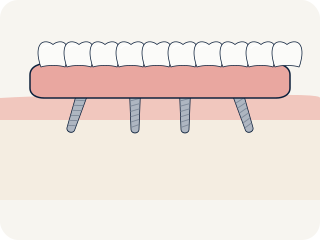
Full Mouth or Arch Replacement
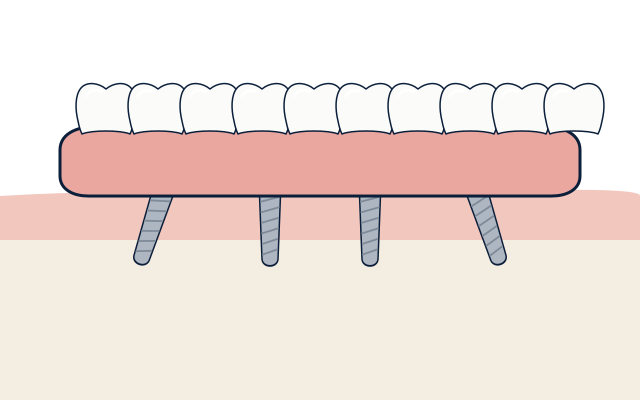
A full arch restoration may be suitable if you are missing most or all of the teeth in an arch. We will consider the amount of bone available, the number and placement of replacements, the type of prosthesis and long-term maintenance.
-
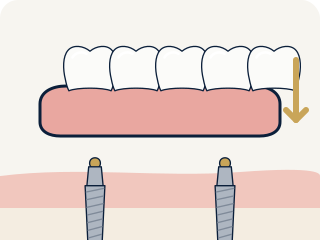
Implant Supported Denture
An implant-supported denture can provide better retention. The denture can be removed by you or be fixed by your dentist depending on the type of denture.
-
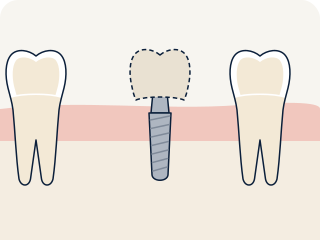
Immediate or Early Replacements
In certain cases we can place a prosthetic shortly after extraction or provide a temporary tooth. This is not suitable for all patients and will be based on clinical findings.
Your dentist will discuss which options are suitable for you and alternatives that may be suitable for you.
All-on-4 vs All-on-6: What Is the Difference?
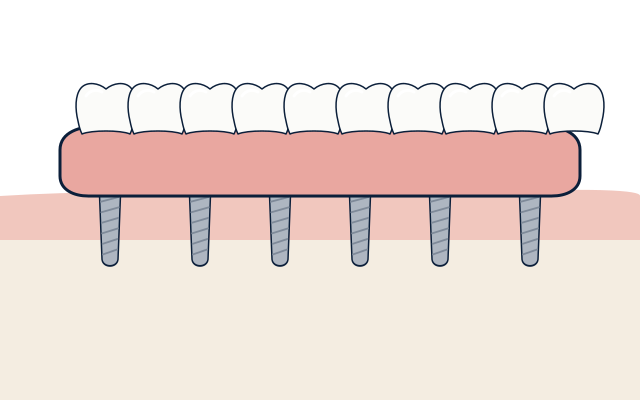
These are two procedures that can be used to replace an entire arch of teeth using a certain number of replacements. They differ based on how many posts are used during the process. All-on-4 typically uses 4 per arch, whereas All-on-6 typically requires 6 replacements. We will determine which is best for you based on your jaw bone structure, bite, oral health and goals.
At Say Teeth Dental Studio, Salt Lake, you will have a consultation to help you understand what full-arch treatment would be best for you.
How Does Dental Implant Work?
The Procedure: Step by Step
Your treatment will be planned based on your requirements and how long it will take for your mouth to heal. Some methods can be done quickly whereas some require further progress to be done which can extend the time frame.
-
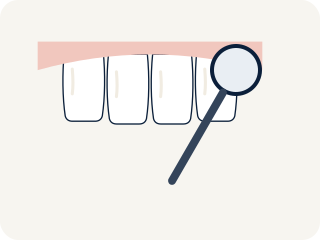
Step 1: Initial consultation and examination
An expert will examine your teeth, gums and bite and ask about your concerns, needs and medical history, and then will prescribe the method.
-
Step 2: X-rays and planning
To measure your bone and identify surrounding structures, we may advise you to have X-rays or 3D scans taken. Once we have a clear picture of what is happening, we can plan where we will place your implant. Your dentist will then talk through with you what process we are going to do, alternative options, how long it will take and approximately how much it will cost.
-
Step 3: Preliminary treatments if required
We will treat any gum disease, infection or other issues within the mouth. We may advise you to have a bone graft or other preliminary treatment if needed.
-
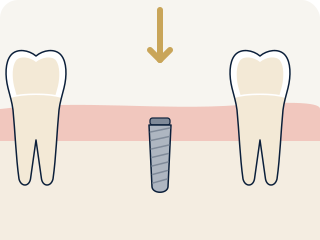
4. Inserting the replacement
Your dentist will surgically insert your prosthetic into the jawbone. We will explain what you may feel. We provide a variety of comfort measures to help.
-
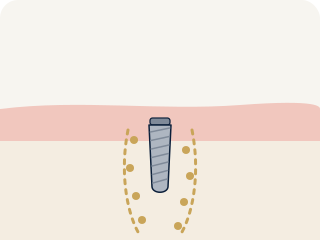
5. Healing and osseointegration
The prosthetic will need to integrate with your jawbone. This will vary depending on your clinical circumstances and stability.
-
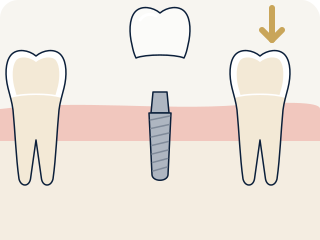
6. Final restoration
Once healing has taken place and other clinical factors are looking good, we can fix your abutment and final crown/bridge/denture.
-
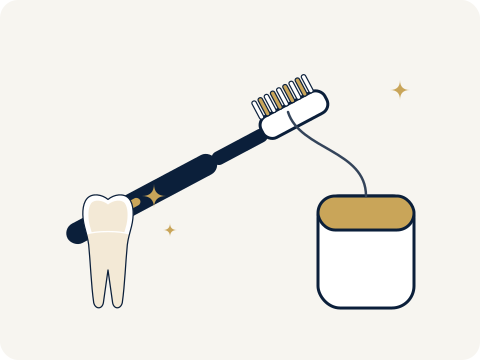
7. Review and Care
At regular appointments, we will check your implants, gums, occlusion and restoration. We will also show you how to care for your new teeth.
This shows the 7 stages of treatment in a numbered list. We have included a brief description that can be expanded on mobile devices.
All-on-4 vs All-on-6: Comparison table
| Feature | All-on-4 | All-on-6 |
|---|---|---|
| Number of replacements | Typically 4 per arch | Typically 6 per arch |
| Treatment purpose | Supports a full-arch replacement using four prosthetics | Supports a full-arch replacement using six prosthetics |
| Support distribution | Support is planned around four positions | Additional positions may allow a broader distribution of support |
| Bone requirements | Positions and angulation may help make use of available bone in selected cases | Requires suitable bone at the planned positions; grafting may still be needed |
| Bite forces | Designed according to bite forces, replacement stability and prosthesis requirements | Additional replacements may help distribute forces, depending on the case and design |
| Surgical complexity | Depends on anatomy, prosthetic positioning and any additional procedures | May involve additional prosthetic placement and associated surgical steps |
| Treatment cost | May have a lower initial cost, depending on the plan | May cost more due to additional prosthetic use and components |
| Healing and recovery | Depends on the individual procedure and healing response | Depends on the individual procedure and healing response |
| Temporary teeth | Immediate temporary teeth may be possible in selected cases | Immediate temporary teeth may be possible in selected cases |
| Best suited for | Patients whose anatomy and plan support this restoration process | Patients whose anatomy and plan support this restoration process |
| Long-term maintenance | Requires professional reviews, hygiene and prosthesis maintenance | Requires professional reviews, hygiene and prosthesis maintenance |
How Long Does Dental Prosthesis Take?
Treatment Timeline
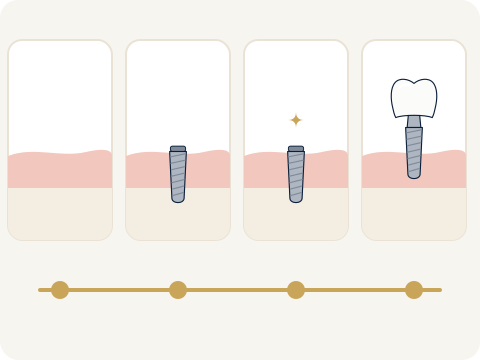
The entire process will depend on your mouth health, where the tooth is missing, the state of your bones and what restoration is needed.
An initial examination to determine the best options for you. This will be followed by:
-
Preparation:
An appointment to prepare.
-
Insertion:
Your dentist will insert the prosthetic.
-
Healing:
The prosthetic will integrate with your jawbone.
-
Restoration:
Placing and adjusting your crown/bridge/denture.
Some implants can be placed temporarily on the same day, while others will have to wait until healing is completed.
You will be given a personal timeline by your dentist. We never assume that all replacements can be placed in a single day or within a set number of weeks.
Dental Implant Cost in Salt Lake, Kolkata
What Is the Cost of Implants in Salt Lake, Kolkata
Your total cost will depend on the process you have. Factors that can affect the cost include:
- Number of prosthetics required.
- System and parts chosen.
- Type of crown, bridge or denture.
- Diagnostic imaging and planning.
- Extraction of teeth, grafting and/or preparation work.
- Complexity of your case and any aftercare.
What should your prosthesis estimate include?
A great estimate will include detailing what method will be done, including prosthetic placement, abutment, final restoration, investigative work, extra treatment and ongoing management.
During your consultation, we will talk through options and costs. Your surgery will be planned based on the clinical findings.

Dental Implants vs Bridges vs Dentures
Which Option Is Right for You?
Each option has some pros and cons associated with it.
-
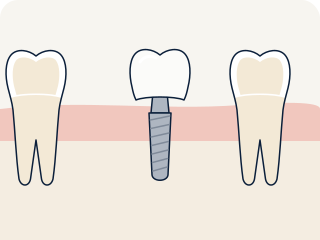
Implants
It is placed into your jawbone and holds the replacement tooth in place. If you are looking for such a supported option and your mouth is suitable, then this is ideal for you.
-
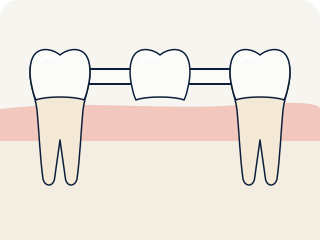
Bridges
A traditional dental bridge replaces the missing tooth using support from the adjacent teeth. This is often a faster option, meaning you won’t have to have surgery. However, the supporting teeth may need to be reshaped by your dentist.
-
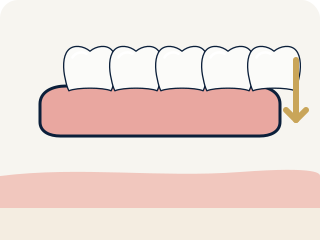
Removable Dentures
This surgery is used to replace missing teeth. The dentures are removable, allowing you to keep them clean. A good option for patients wishing to avoid surgery, or those who aren’t suitable for other methods.
Choice
We will have to take into consideration functionality, aesthetics, treatment time, ease of maintenance, risks and overall cost. Your dentist will also compare these to your oral health and preferences.
A consultation will help you to make an informed decision. You won’t be tied down to any methods until you understand all of your options.
Dental Implant Safety, Discomfort and Recovery
Is Dental Prosthesis Painful?
Prosthetics are usually placed under a local anaesthetic so that they cause little pain. After insertion, however, you may experience some pain, swelling and bruising. All patients will recover at different speeds.
Advice will be given by the dentist on how to manage any pain, care for the surgical site and keep your mouth clean. They will tell you when to return.
What should you know about risks?
Prosthetics are an invasive procedure, and there are several risks associated with the process. These include infection, bleeding, damage to adjacent tissues, failure to integrate with bone, soft tissue issues, and restoration issues.
Smoking, certain health conditions, some medications, and poor oral hygiene can impact the treatment you receive.
You will be given information on the risks and precautions involved. In case you have any concerns or post-treatment issues, contact us anytime.
Why Choose Say Teeth Dental Studio for Dental Implants?
Ready to Explore Dental Prosthetics?
You can be assured that you’ll have all the information you need to make the right decision.
Book a consultation at Say Teeth Dental Studio Salt Lake to talk about your needs, options available to replace your missing teeth, time frames and costs. We will help you find out what your next steps are.
If you’re looking for such treatment in Salt Lake, Kolkata we welcome patients wanting to know their options for replacing missing teeth.
It is important to consider the capability of your dentist, how they will work with you, what investigations are taken and what ongoing care will be provided.
We will help you make an informed treatment decision. Your consultation process will go as listed below:

-
You will have a discussion about your concerns and treatment expectations.
-
Your teeth, gums & bite will be assessed.
-
Diagnostic imaging will be taken if indicated.
-
Treatment options with alternatives will be discussed.
-
Timelines and approximate costs will be discussed, along with ongoing care.
Conclusion
Say Teeth Dental Studio, Salt Lake, Kolkata, provides bespoke replacements for missing teeth. We will explain what makes you a candidate for single-tooth, multiple-tooth, and full-arch replacements. We will also explain the process of getting this surgery, how long it takes, the cost of the process, how they compare to bridges and dentures, recovery from the procedure and the risks involved. You can book a consultation to get an honest assessment, clear costs and advice on aftercare.